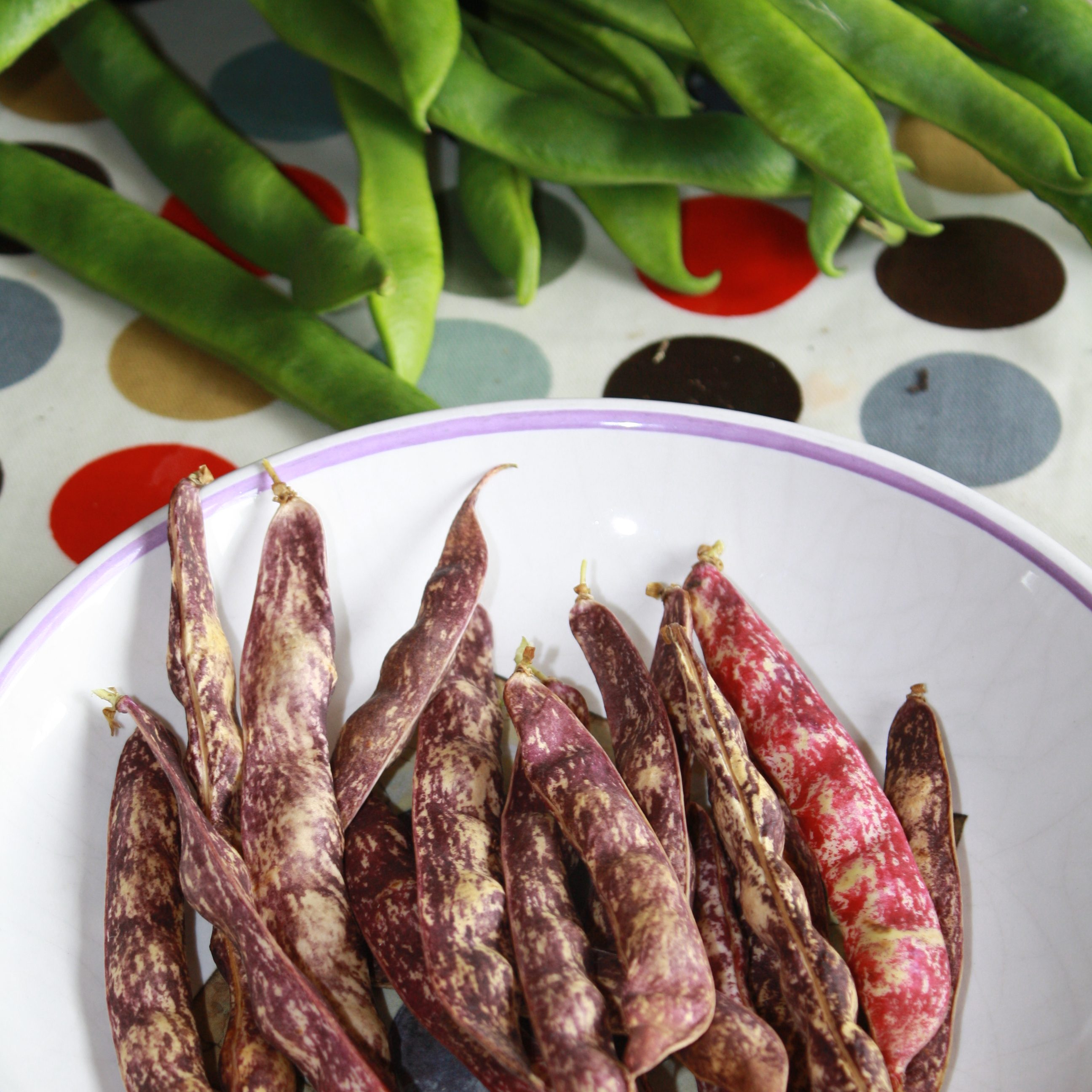
Winter squash
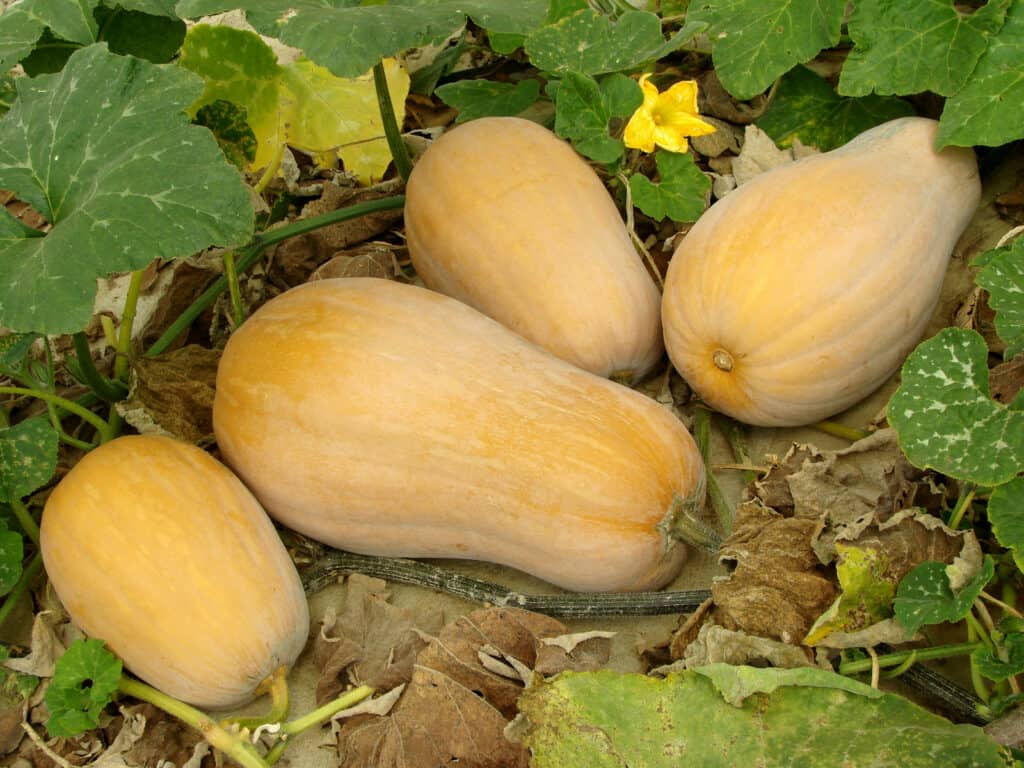
SQUASH
Cucurbita
Winter squash and pumpkin originate in the Americas, where their ancestors grew wild as climbers, but are now grown around the globe and flourish in the UK. There are many varieties of squash and pumpkin, some taste better than others. Although they are botanically a fruit, they function more like a vegetable. All of the fruits in the Cucurbita family tend to be high in essential nutrients.
“Squash” comes from the Narragansett Native American word “askutasquash”, which means “eaten raw or uncooked”.
Squash can be eaten raw. You could perhaps shave it into thin ribbons and marinate it in a zesty dressing. Or add it to a veg juice. However, pumpkins, like carrots, are rich in antioxidants like beta-carotene, which are apparently much easier to absorb once they have been heated. (I suspect as with most raw vs. cooked veg, that there’s a play off with different nutrients; some damaged by heating, some released from the cell wall or made bio-available by cooking). Warning – don’t cook any type of squash whole in the oven, as they will probably explode. But cutting in half (with a scary knife) will avoid that and it’s much easier to scoop the flesh off a baked squash than to cut the rind from a raw squash.
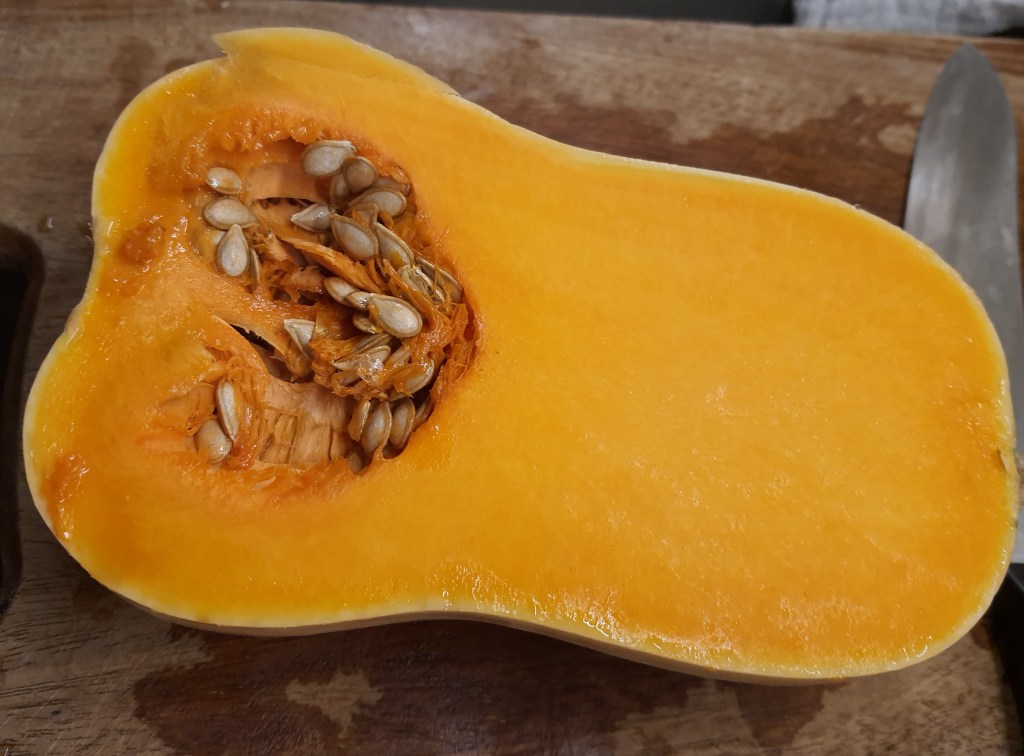
Today I’m cooking with one of the most popular and hardy variety of squash: butternut squash – which also happens to be the easiest to peel (some other squash require a cleaver!). It was developed in the 1940s Charles A. Leggett (an insurance agent from Mass, USA, who “fell into” farming squash when his doctor insisted he spend more time outdoors). He combined the Gooseneck squash and Hubbard squash to make a more conveniently shaped and sized squash. When asked what he wanted to call it, Leggett said it was “smooth as butter and sweet as a nut,” leading to its new title as the butternut squash.
Goes well with:
Asian flavourings
Cheese
Dairy
Garlic
Onion
Nuts
Pork
Spices (Chilli, Cinnamon, Nutmeg, Coriander, Cumin, Star anise)
Strong herbs
Sources include: https://www.riverford.co.uk/a-to-z-of-veg
Cooking with Butternut squash
It’s possible to oven roast a butternut squash in advance, if the oven is on for something else and then just use part of it or put it all in the fridge for later in the week. I don’t know how long it is sensible to leave it in the fridge, once cooked, before eating, but my personal threshold is around 3-4 days (Andrew would probably go as long as 6-7!).
I roasted 3/4 of a butternut squash chopped into 3 x 1/4 pieces a few days ago, and then cubed and roasted the last 1/4 of the squash with rosemary and garlic to accompany our very delicious meal on NYE of Greek Lamb Stew with orzo and feta. The remaing squash has been refrigerated and today I am making a variation on a recipe from: “River Cottage – Veg everyday” by Hugh Fearnley-Whittingstall. p.365
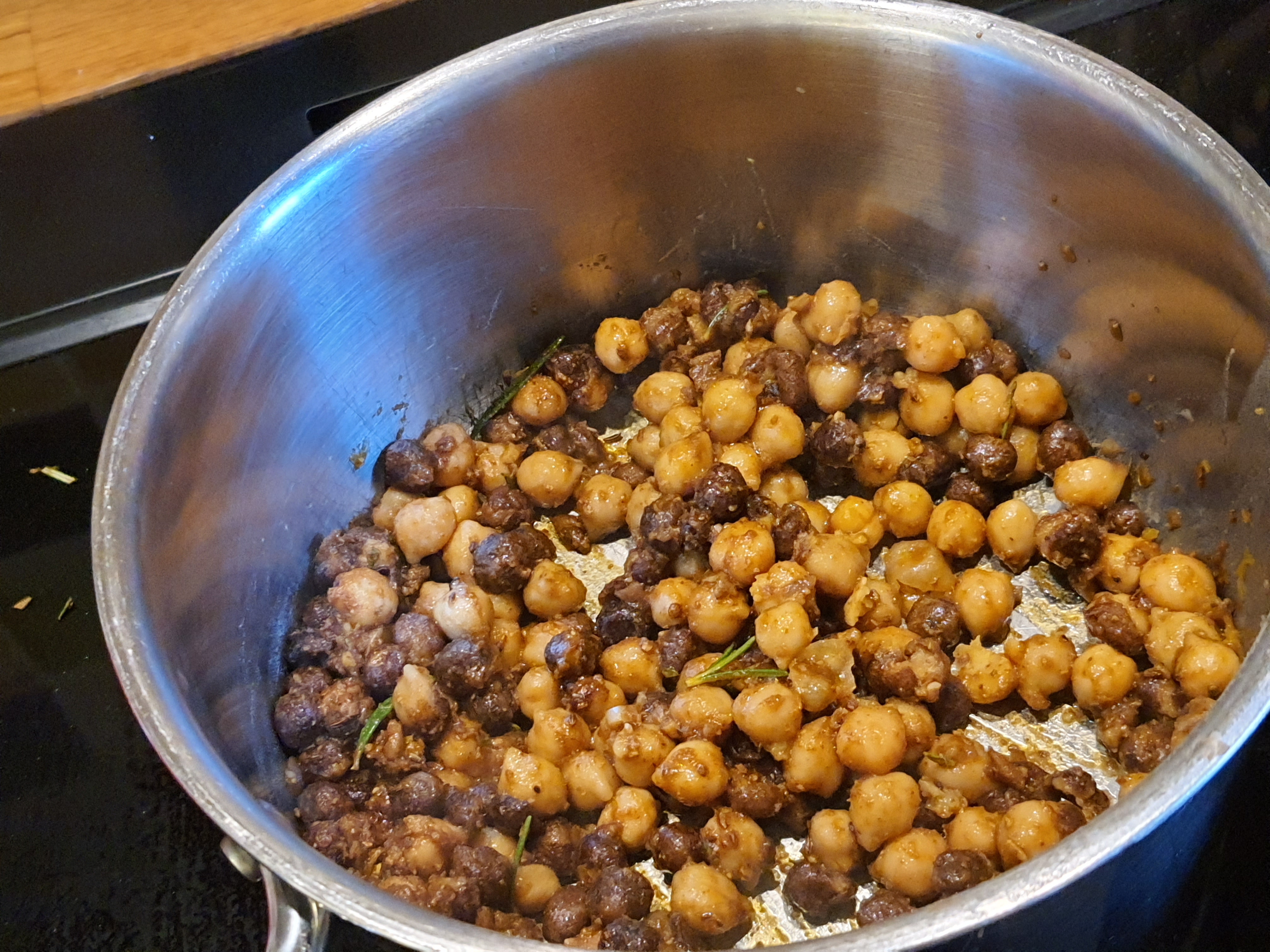
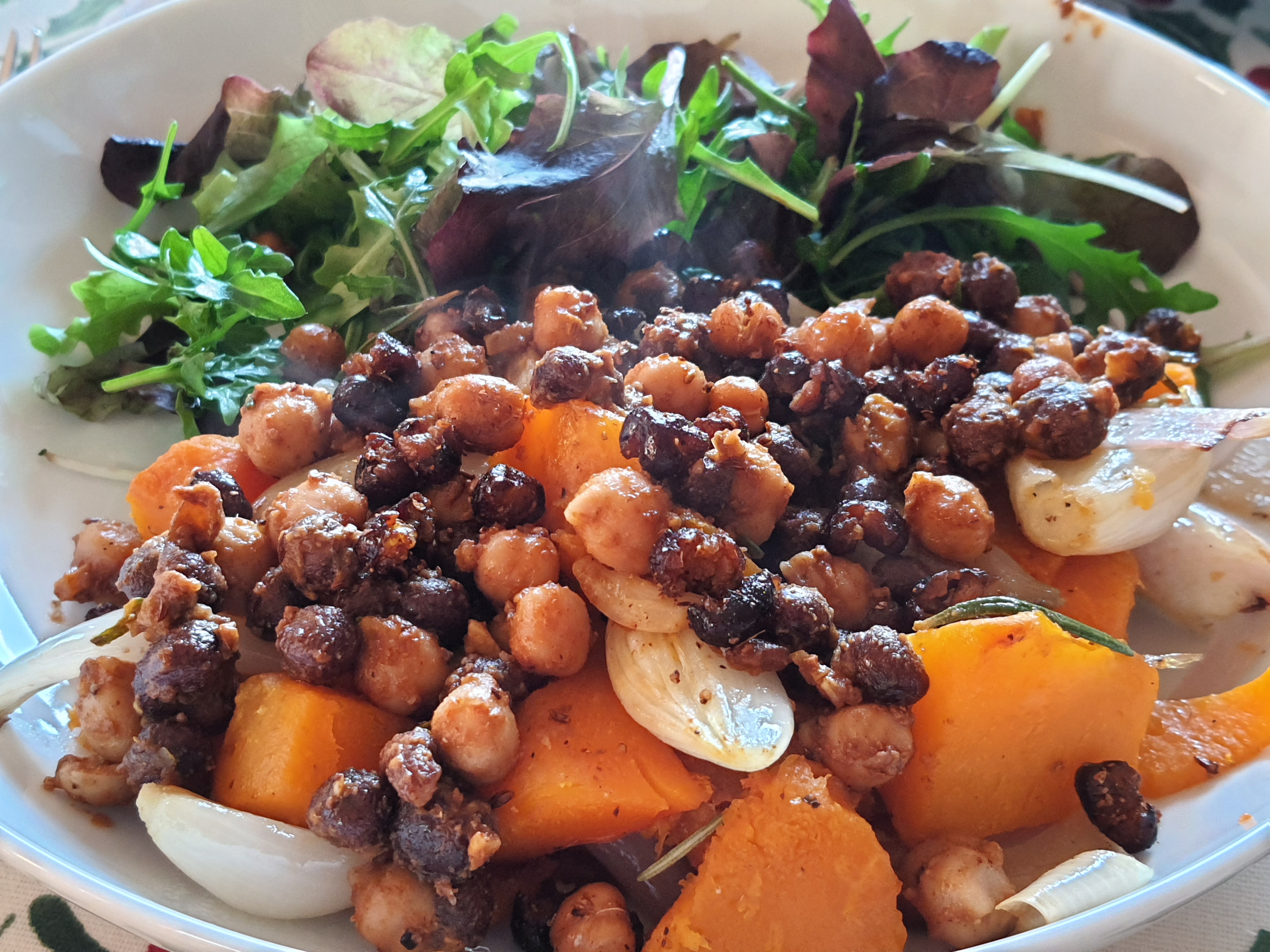
Roasted squash and shallots with merguez chickpeas (and carlin peas two ways).
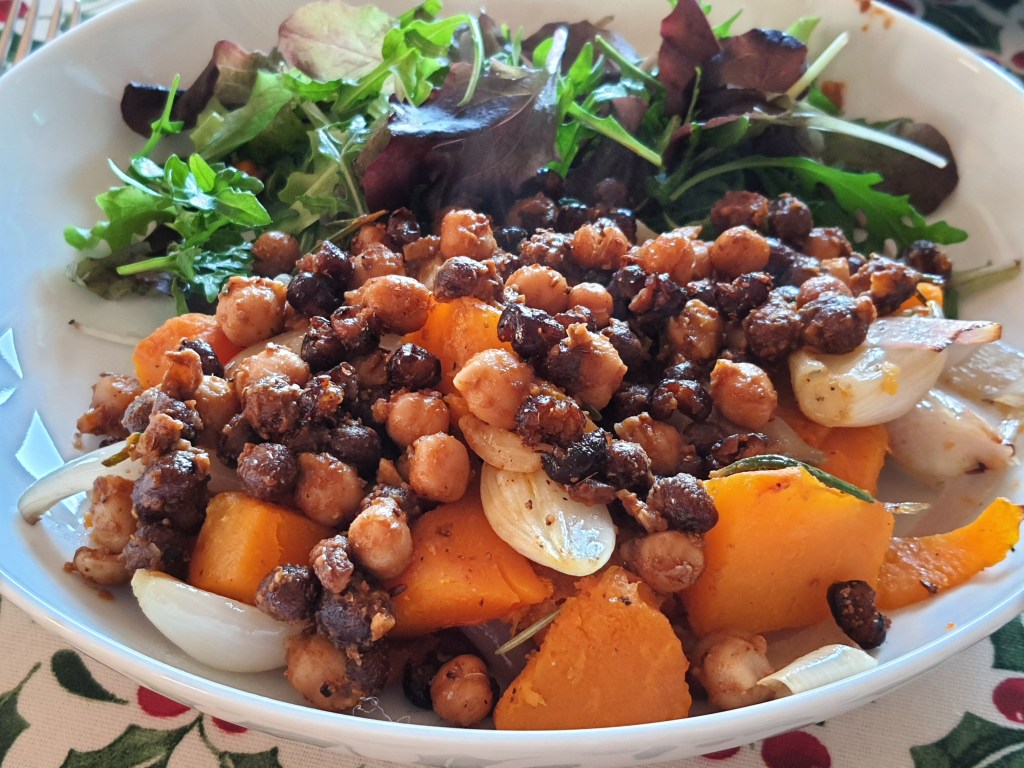
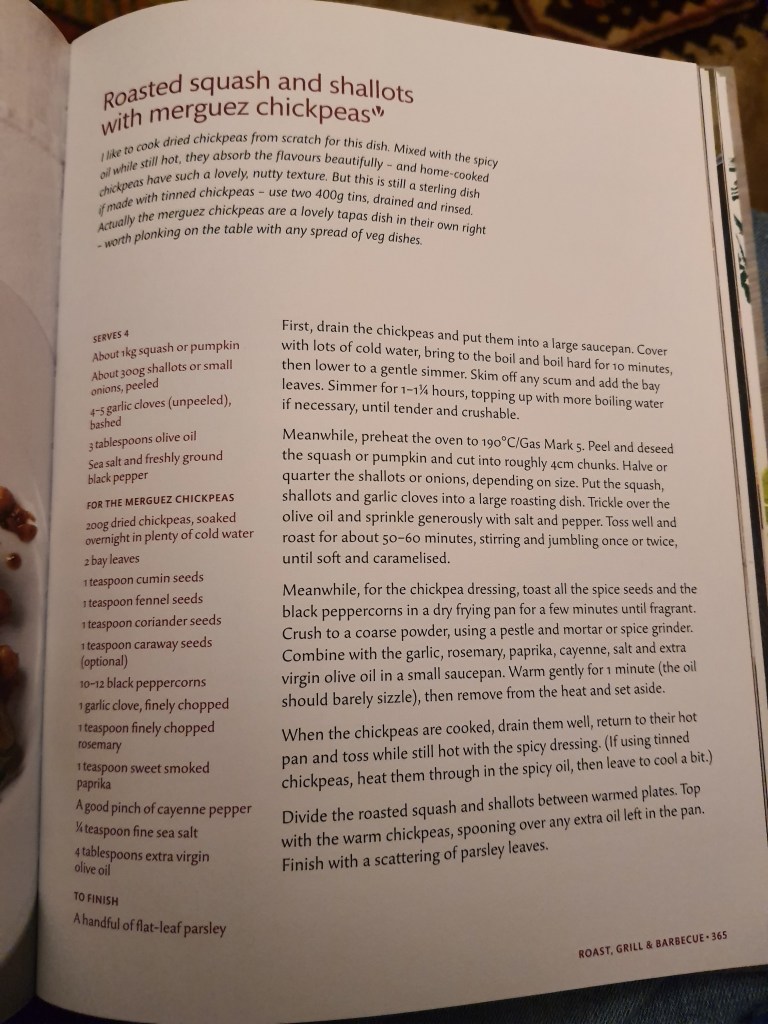
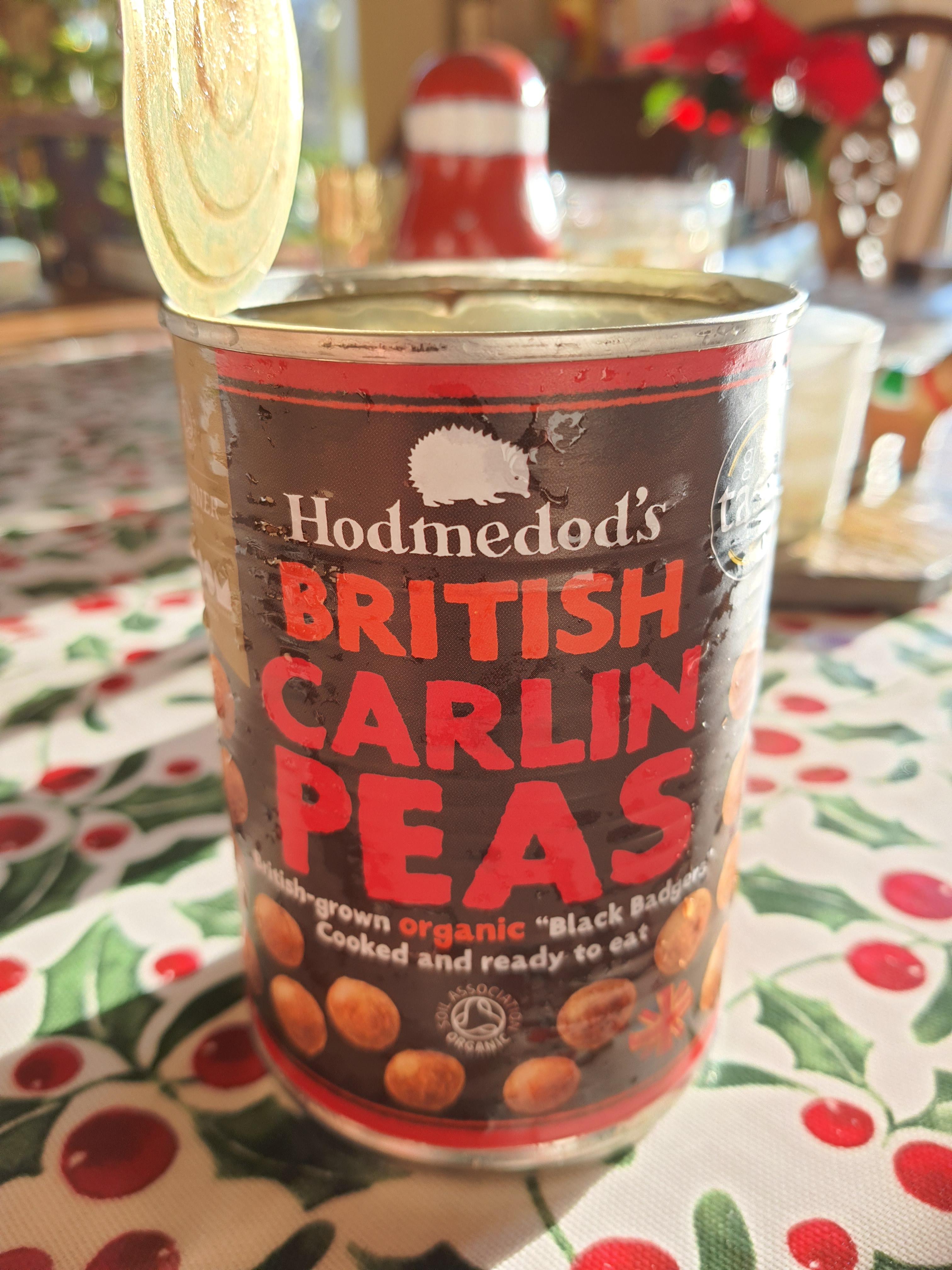
My variation – recipe above but using just less than 500g pre-roasted butternut squash. Also used a 400g tin of chickpeas and a 400g tin of of “Hodmedod’s British Carlin Peas” (also known as ‘Black Badger’s / maple peas). They are grown in the UK and traditionally eaten in the North East of England and Lancashire on “Carlin Sunday” which is Passion Sunday.
The story is that the custom of eating them is linked to the civil war of 1644 where the Royalist Newcastle was under siege from the Scots. The lack of food meant that the people on both sides of the Tyne were dying of starvation. Legend has it that a French ship managed to dock at Newcastle with a cargo of maple peas. Other tales, tell of a ship, laden with peas, which became stranded at South Shields a fortnight before Easter Day. The peas were washed ashore and salvaged by the locals.
Carlin peas are a great alternative to chickpeas, in fact I prefer them as whole peas (but I’ve not tried them in hummus). Hodmedod’s sell a lot of UK alternative pulses – many very delicious.
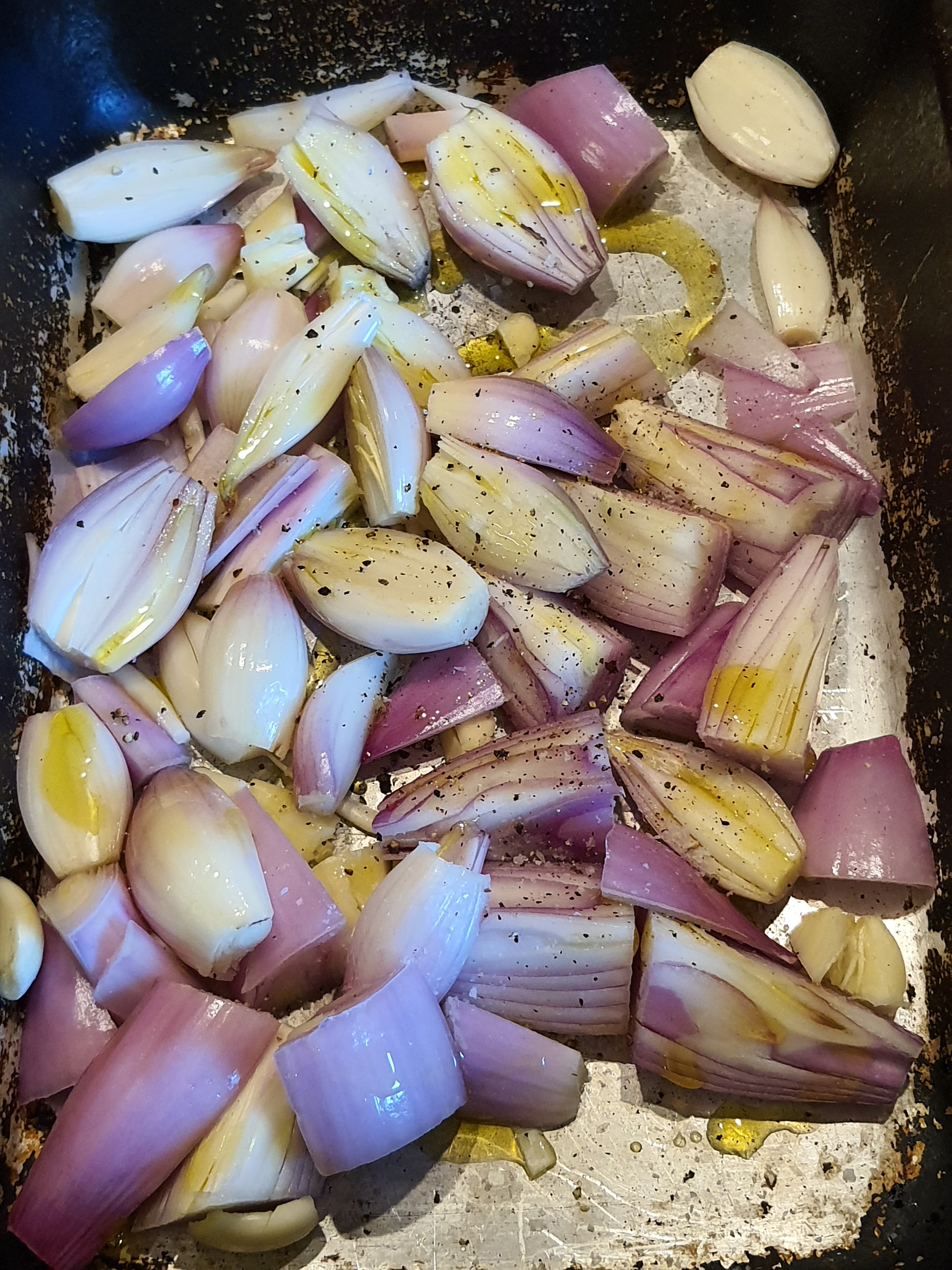
I roasted the shallots (cut in half) with the garlic and a little olive oil, salt and pepper, for 20 mins and then added the pre-roasted butternut squash with some rosemary for the another ten (I can’t believe that I forgot to photograph the squash!!!).
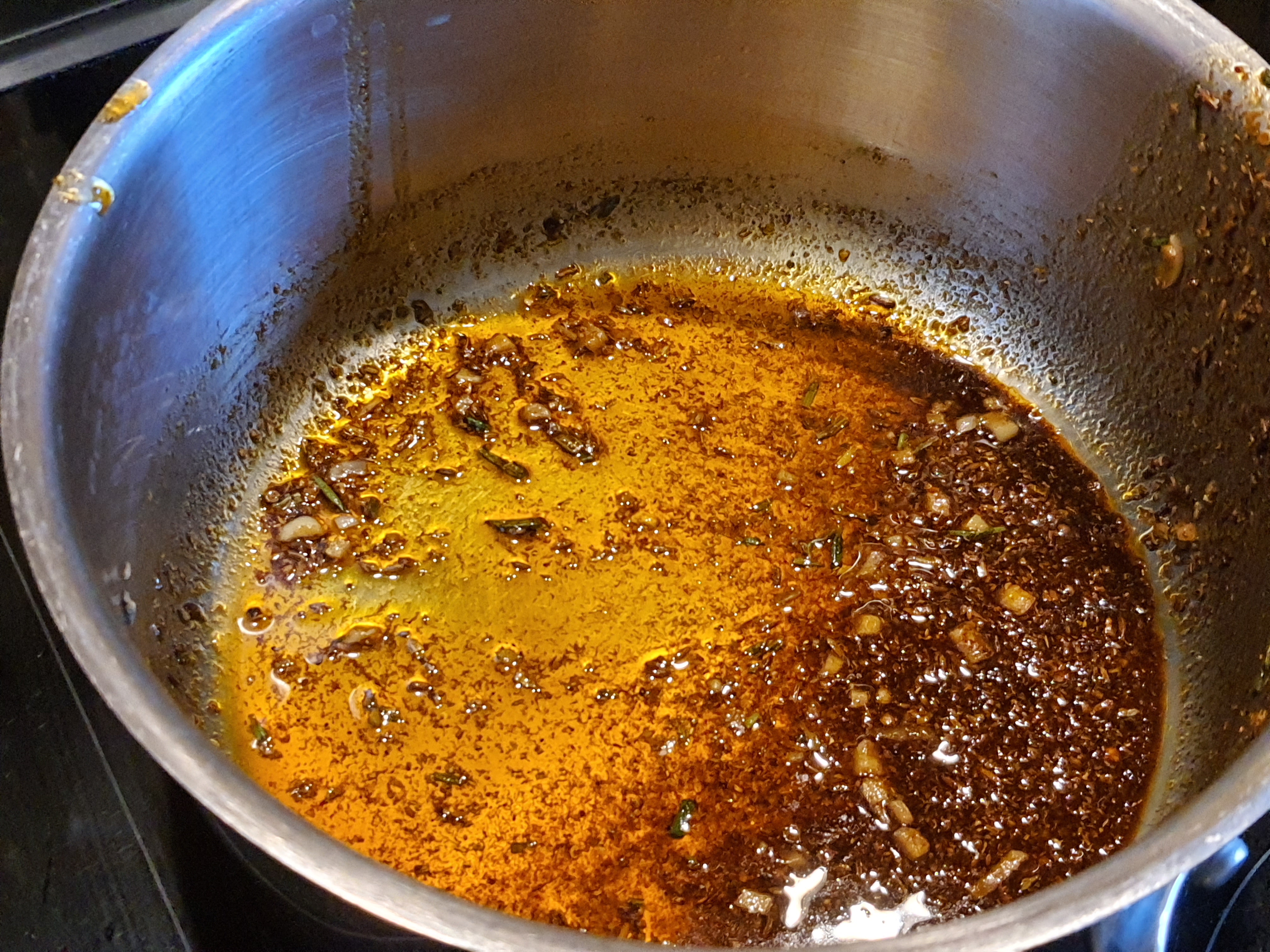
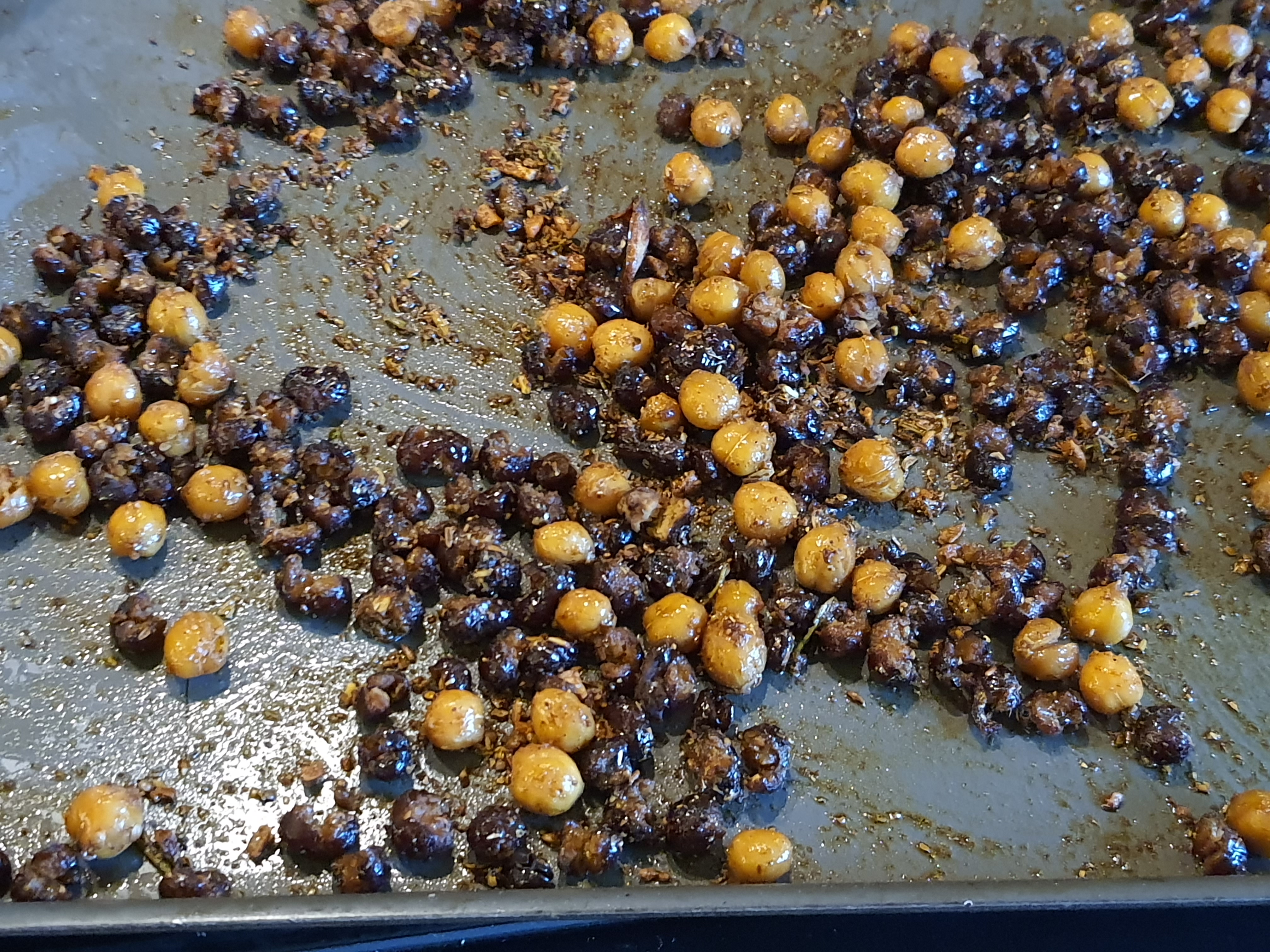
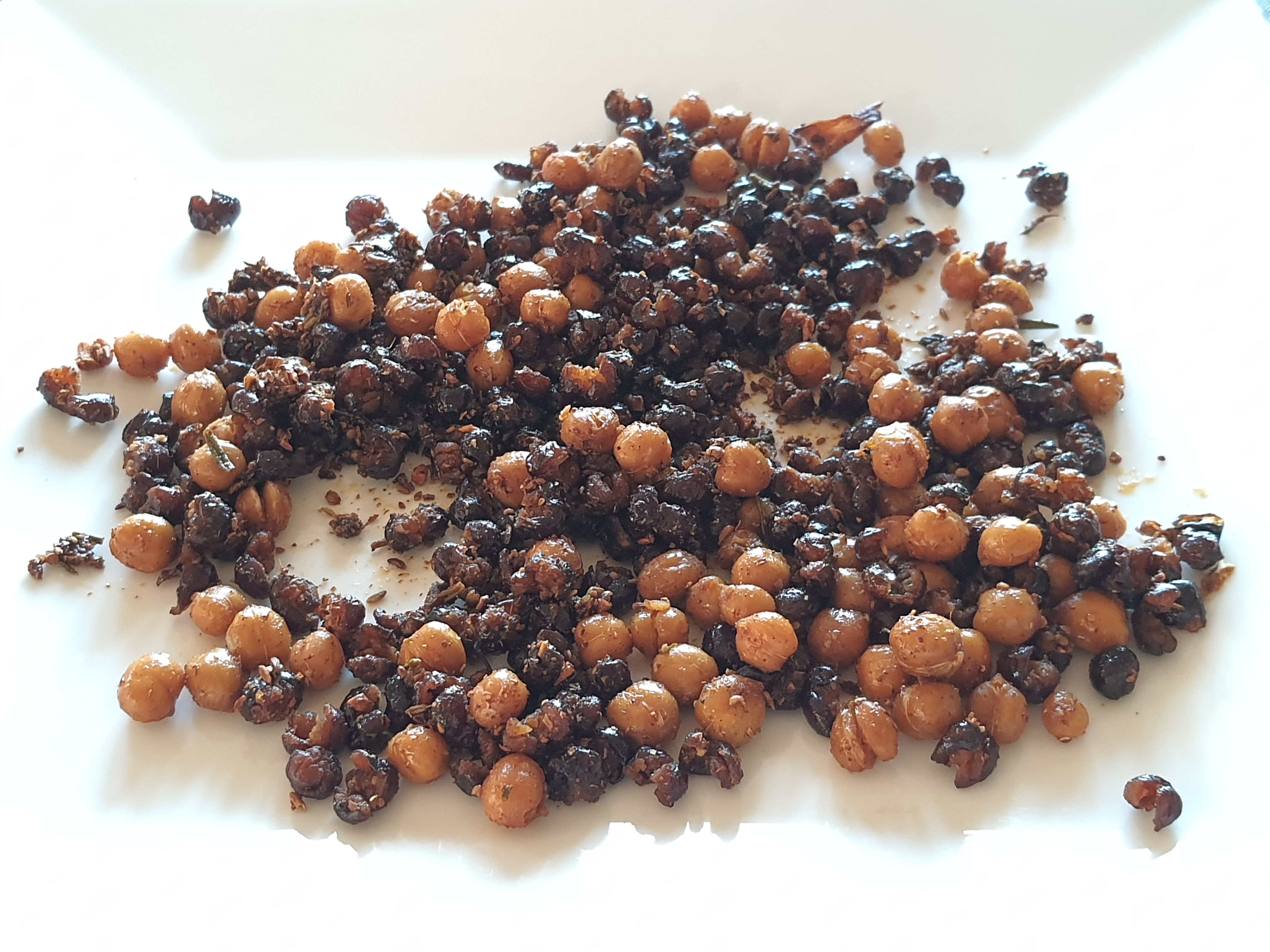
I split the chickpeas/ carlin peas into two dishes – one half I roasted with the flavoured oil (20 mins at 180 degrees – shaking regularly. I love crunch in a meal and I was concerned that there wouldn’t be enough texture in this dish). The carlin peas toasted brilliantly. I will do that again – definitely. I love cold toasted pulses as a snack or on top of soup and they keep well for a few days.) and the other half I steamed gently for 10 mins to warm and then stirred in the rest of the flavoured oil.
It was served with a mixed leaf rocket salad and a piece of walnut bread.
I liked it – and will definitely make again. But I’m a fan of stronger flavours, so I drizzled chill, garlic and ginger oil over mine. Next time I would add extra cayenne and smoked paprika. I thought the fennel seeds were perfect (which is just as well, as Andrew went to the shops for them this morning!!)
Other recipes that have caught my eye:
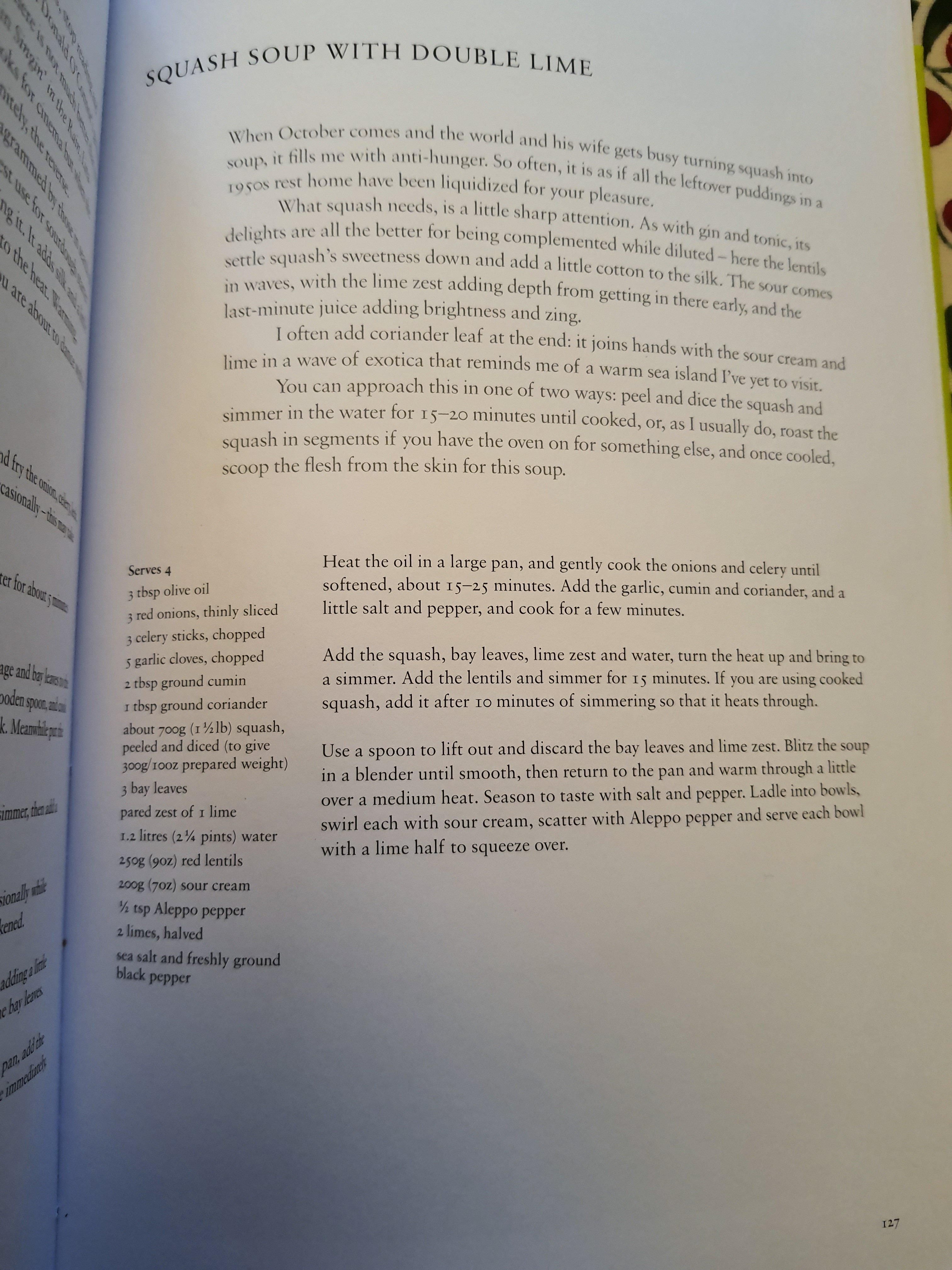
Squash soup with double lime
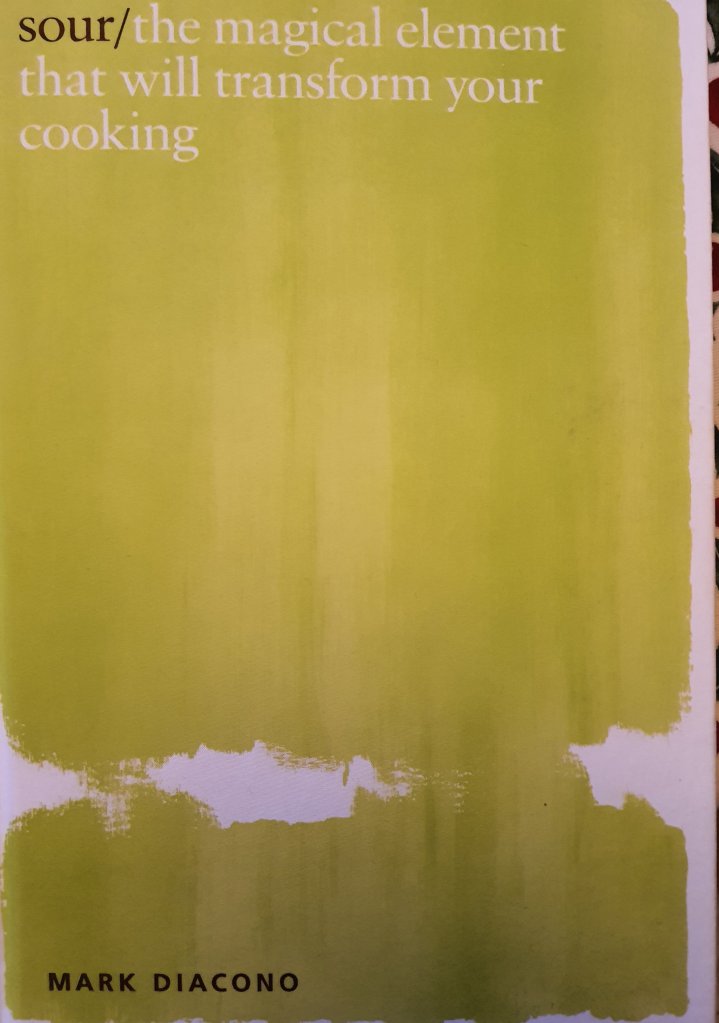
Mark Diacono in the fabulous book: “Sour/ the magical element that will transform your cooking” (He’s full of great ideas with really interesting and unusual flavours much UK grown or foraged from your garden. He runs Otter Farm, food school and plant nursery in Devon. I follow him on FB).
Squash, Kale and Stilton pie
A Riverford recipe. Serve with a crisp green salad topped with toasted walnuts. Other squash and pumpkin will work just as well as butternut or you could use a dieter type of cheese.
Ingredients
- 1 small (750g-800g) butternut squash, peeled and chopped into 1-2cm dice
- 1 large red onion, finely diced
- 2 tbsp rosemary leaves, finely chopped
- 200g curly kale, washed, leaves stripped from their stalks
- 4 tbsp double cream
- 200g blue cheese, crumbled
- 2 ready-rolled puff pastry sheets
- 1 egg, lightly beaten
- salt and pepper
Method
Prep time: 15 min Cooking time: 1h 15 min
- Step 1 – Preheat oven to 220°C/Gas 7. Toss the squash in just enough oil to coat and season. Roast in a baking dish for about 30 minutes, or until just tender.
- Step 2 – Fry the onion and rosemary in 3 tablespoons of oil on a low heat for 10 minutes, stirring now and then, until softened. If it looks like catching at any point, add a splash of water.
- Step 3 – Cook the kale in the pan of boiling water for 4 minutes, until softened. Drain, refresh in cold water, then drain again and squeeze out any excess moisture. Finely chop.
- Step 4 – Mix the squash, onion, kale and double cream. Season and cool for 15 minutes. Mix in the blue cheese.
- Step 5 – Unroll the pastry sheets and cut into quarters. Lay 4 pieces on a lightly greased baking tray, score a 2cm border inside the edge of each and pile the veg within it. Dampen the pastry border with some water. Lay the other 4 pastry pieces over the top. Gently stretch to cover, pressing the edges down well to seal. Pull the edges up and over slightly to confirm the seal. Brush the top with beaten egg and bake for 25-30 minutes, until crisp, puffed and golden.
Pumpkin and raisin tea loaf
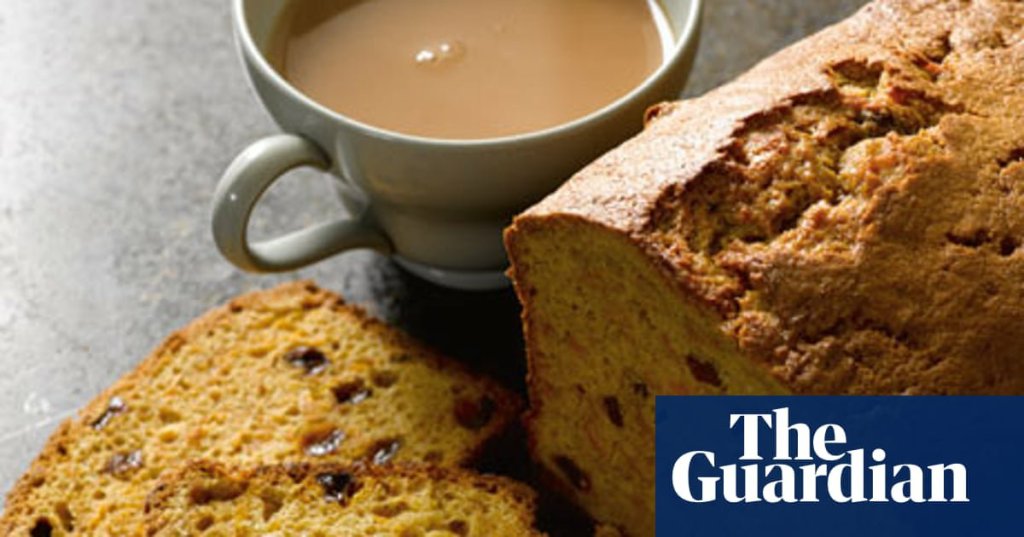
https://www.theguardian.com/lifeandstyle/2012/nov/09/pumpkin-squash-recipes-fearley-whittingstall
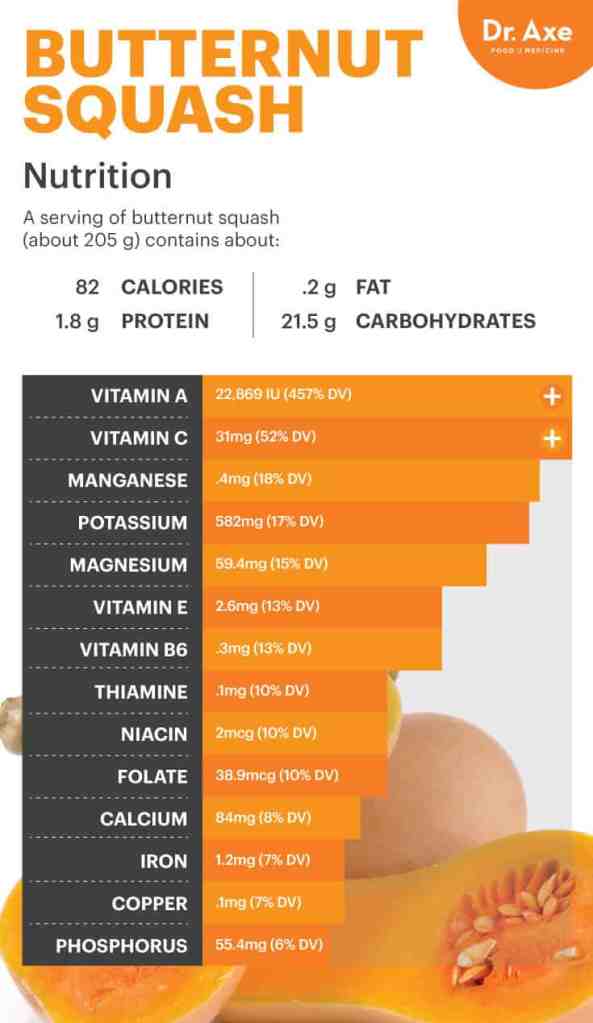
Nutritional composition
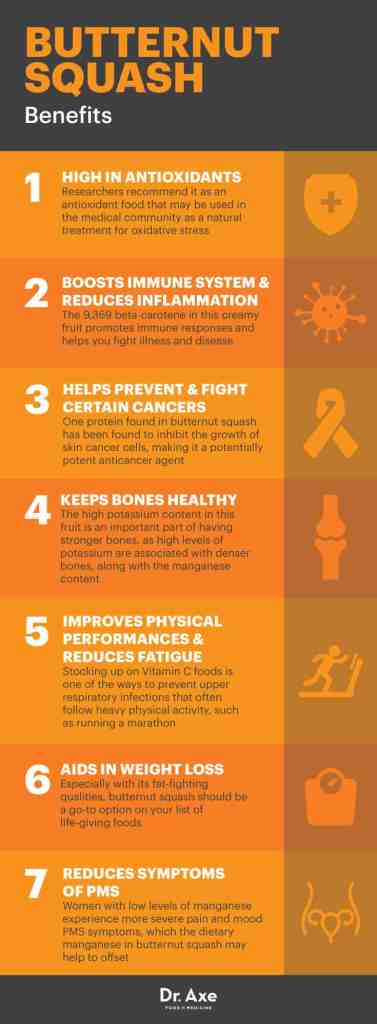
Tally for the month
Main Vegetables: broccoli (calabrese), butternut squash, celeriac.
Subsidiary Vegetables: onion, shallots, garlic, leek, celery, potato, rosemary, carlin peas, chick peas.
Subsidiary Fruit and Nuts: lemon
 Relishing Life - Eating Well
the recipes sound good
LikeLike
What an interesting and informative piece! I am not a great fan of the pumpkin, but enjoy a good butternut squash and pattypan squash ( the one that looks like a flying saucer – great to roast with a filling). A favourite butternut squash recipe is in a risotto with boursin cheese.
LikeLike
I love Boursin cheese. Will you post the recipe?
LikeLike