Celery
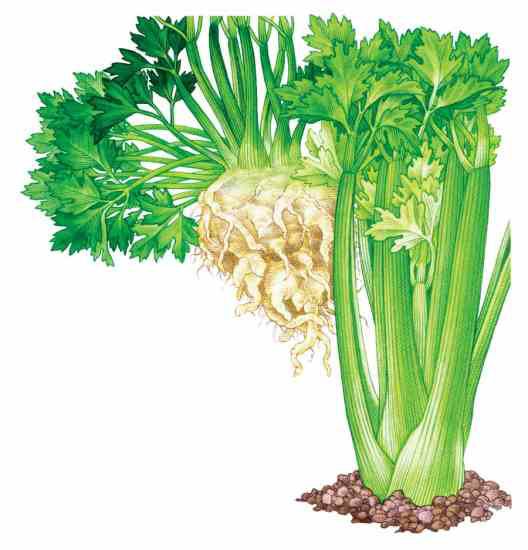
CELERY
Apium graveolens var. rapaceum
Celery (Apium graveolens) is a marshland plant in the family Apiaceae. It is an umbellifer (which are characterised by their disc-shaped umbels, which are made up of many tiny flowers held on short flower stalks), celery is cousin to carrots, fennel, cumin, caraway, celeriac, parsnips, dill, parsley, anise, cow parsley and poison hemlock. Celery flowers attract many pollinators.
Cultivation of celery is believed to have started 3000 years ago in the Mediterranean region. It was considered a holy plant in the classical period of Greece and was worn by the winners of the Nemean Games, similar to the use of bay leaves at the Olympic Games. But it was the Italians who domesticated celery as a vegetable in the 17th century resulting in the solid leaf stems we know today.
Our word “celery” comes from the French celeri, which is derived from the ancient Greek word selinon, mentioned in Homer’s Odyssey about 850 B.C.
Selinon was ascribed to Seilenus, the son of a nymph and lustful Pan. Silenus, constantly drunk and lecherous, is depicted as pot-bellied with a beefy bald head and often with the ears, tail, and legs of a horse. He was the leader of the lustful horde of satyrs as well as the teacher and companion of Dionysus, the god of inebriation. Half human, half horse, Dionysus symbolizes, among other things, the powerful animal drive. The association of this satyr with celery, emphasizes the plant’s use as an effective agent of sexual potency. So celery is considered an aphrodisiac!!
Celery has a long fibrous “stalk” tapering into leaves. Its petioles (or leaf stems), leaves or hypocotyl (part of the stem, beneath the stem of the seed leaves and directly above the root) are eaten and used in cooking. Celery seed is also used as a spice and its extracts have long been used in herbal medicine.
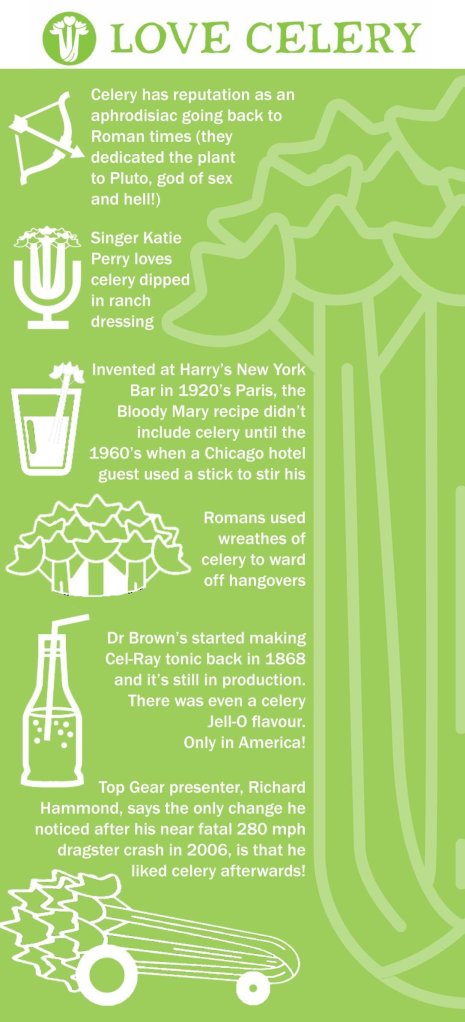
Fun Facts
Goes well with:
Apple
Bacon and ham
Carrot
Cheese (Blue cheese, Cheddar, Brie)
Chicken
Cream
Grapes
Mayonnaise
Nuts (Hazelnuts, Walnuts)
Onion
Parsley
Salad leaves
Tarragon
Tomato
Easy ideas (from Riverford)
1. Raw – Try a Waldorf inspired salad of diced celery, apple and walnuts. Throw some angled slices into a winter slaw with some carrot, fennel, red cabbage and shallots. A cold celery stick dipped in a little flaked sea salt or with crumbs of sharp cheddar. The tender central stalks are best for uncooked consumption.
2. Braised – Cook it in large pieces with some butter, white wine and light stock until tender and giving, about 40 mins; delicious as a side. You’ll get the same effect by using it as a trivet for sitting a roasting joint on: it will soak up all the roasting juices, serve it rather than discarding. Braised celery is also good baked with a little cream, parmesan and breadcrumbs as a gratin.
3. Soup – Celery soup is simple and comforting. Finely dice it and sweat it down with some onion, garlic and simmer in good stock. Liquidise well to remove any stringiness. Finish with a little cream if you care to, maybe some finely diced apple to garnish
4. Soffritto – meaning “fried slowly” and which is a prime ingredient for an Italian aromatic mix; the base for many sauces, soups, stews and braises in Italian cuisine. Most often a ratio of 2:1:1 of onion, carrot and celery.
Recipes:
To be honest, I chose celery today because we had half a bunch left from my emergency “Christmas Eve Stuffing Ingredients” shopping at Ray’s Fruit and Veg shop, on Christleton Road. But then in the end we didn’t have enough, so I had to go out to buy another package this afternoon.
Trawling through the recipes online and in my cookery books, I fancied making a gratin. This was primarily motivated by the need to use up the Christmas Lancashire cloth bound cheese (looks the part, but there’s always alot of it!) and the final remains of a Hobbs Bakery Sourdough loaf (their bread is so good – we bought loads to freeze).
Celery Gratin
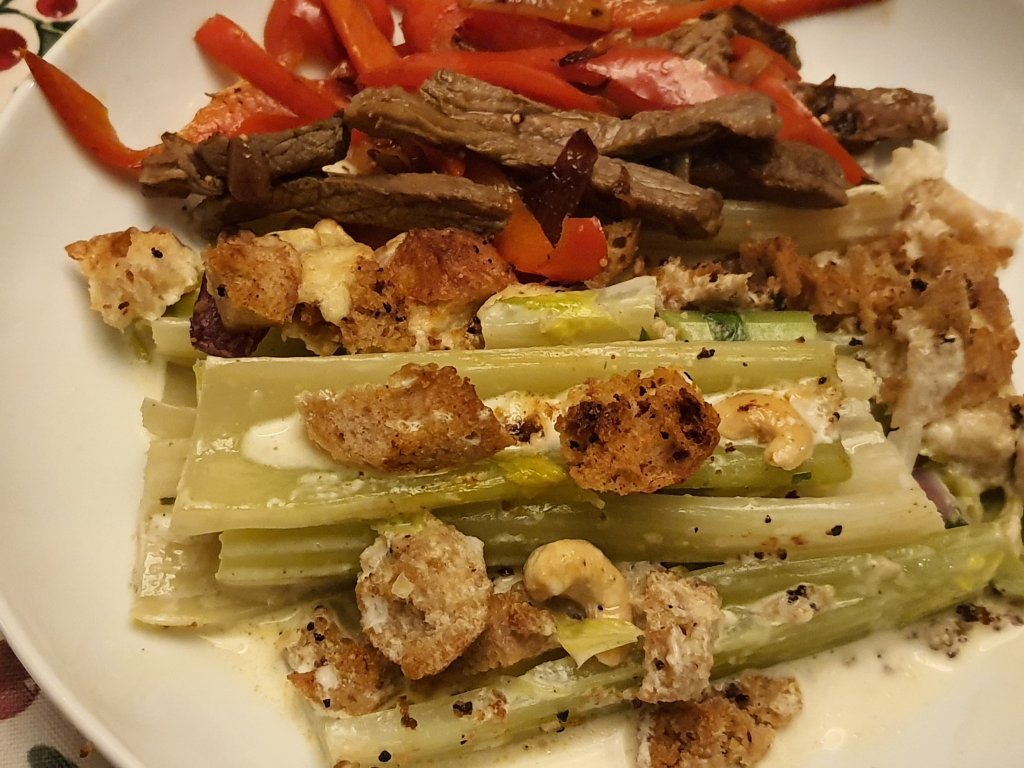
So I did a “mash-up” of two recipes. Which didn’t quite work, although was very tasty. So I’ll give you both recipes, some photos, but not my method. I think frying the celery might have been better than poaching – but maybe I didn’t poach it for long enough – and so much more flavour left in the stem … and I didn’t reduce the sauce quite enough. But Andrew thought if the celery were really tender and lacked the crunch then it wouldn’t feel like authentic celery!
Creamy celery gratin & Hugh F-W Celery Gratin
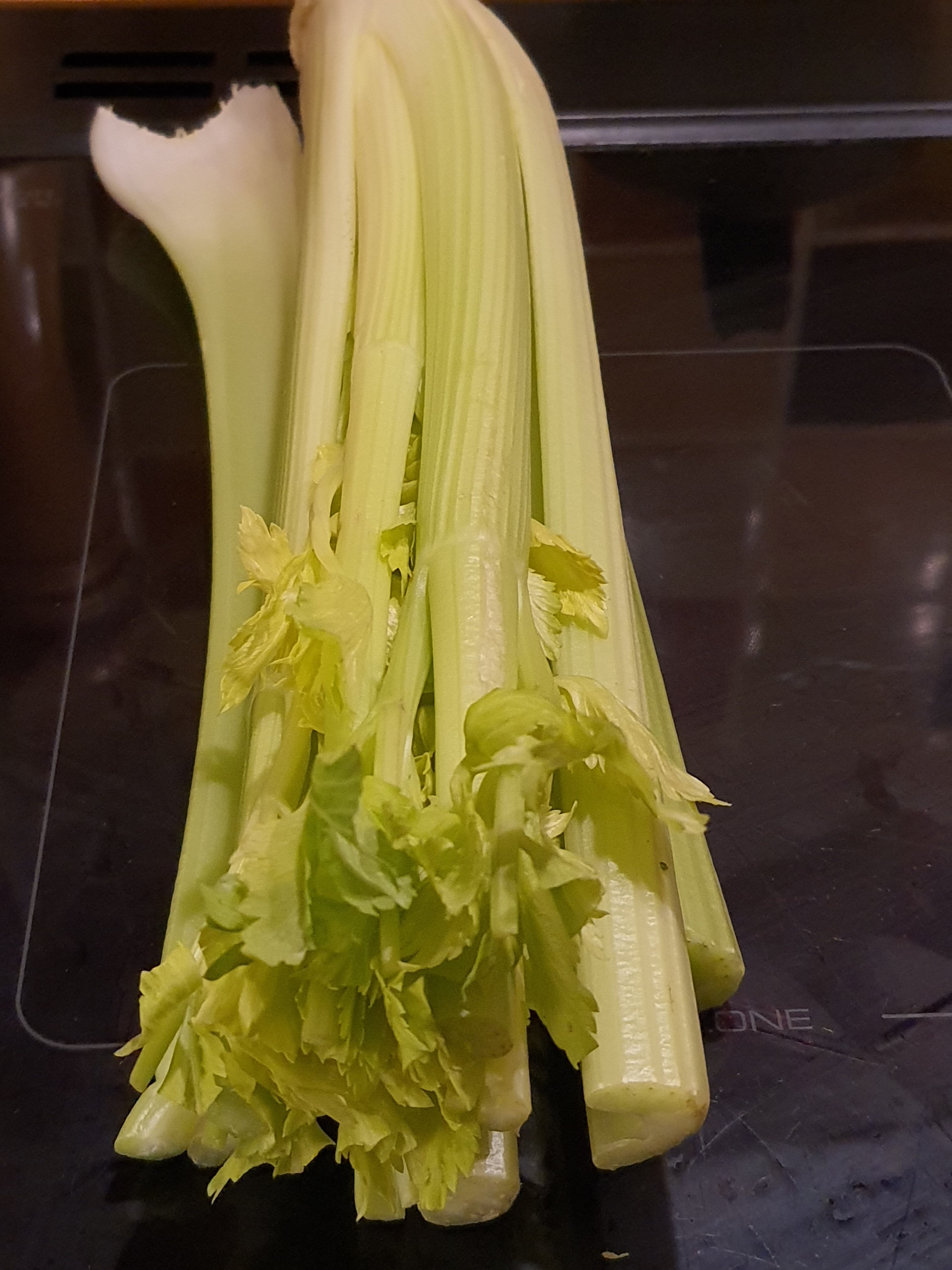
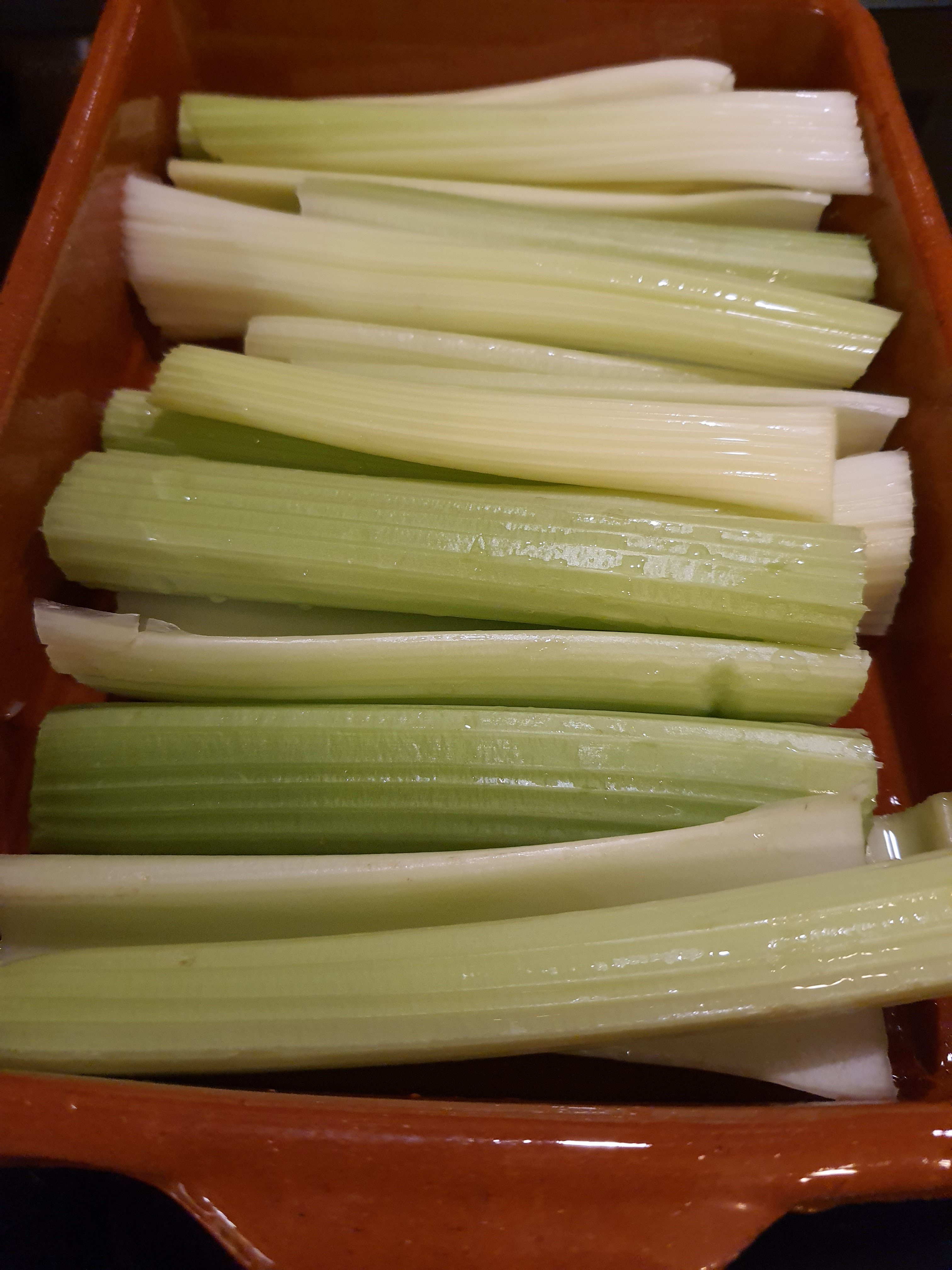
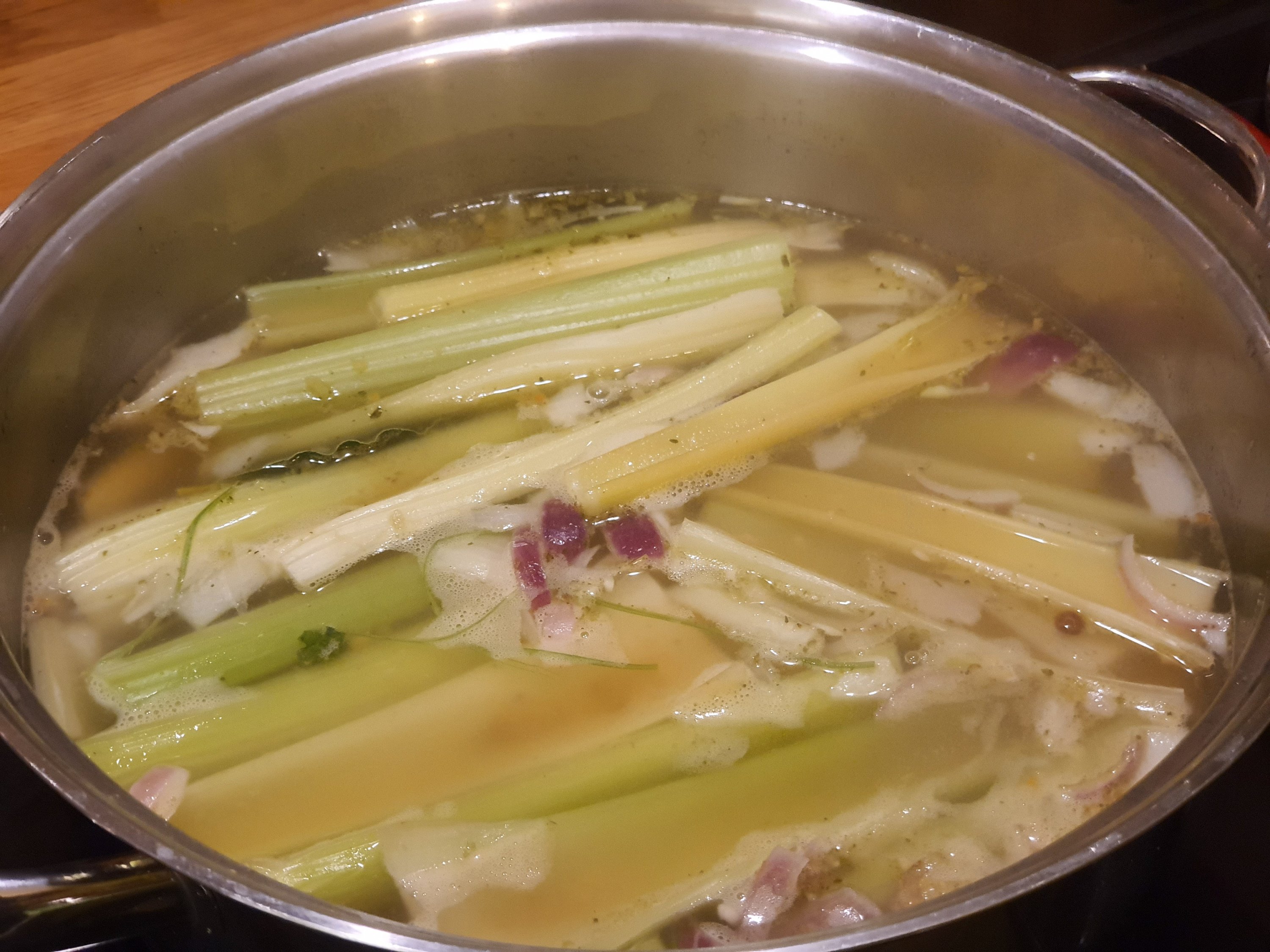
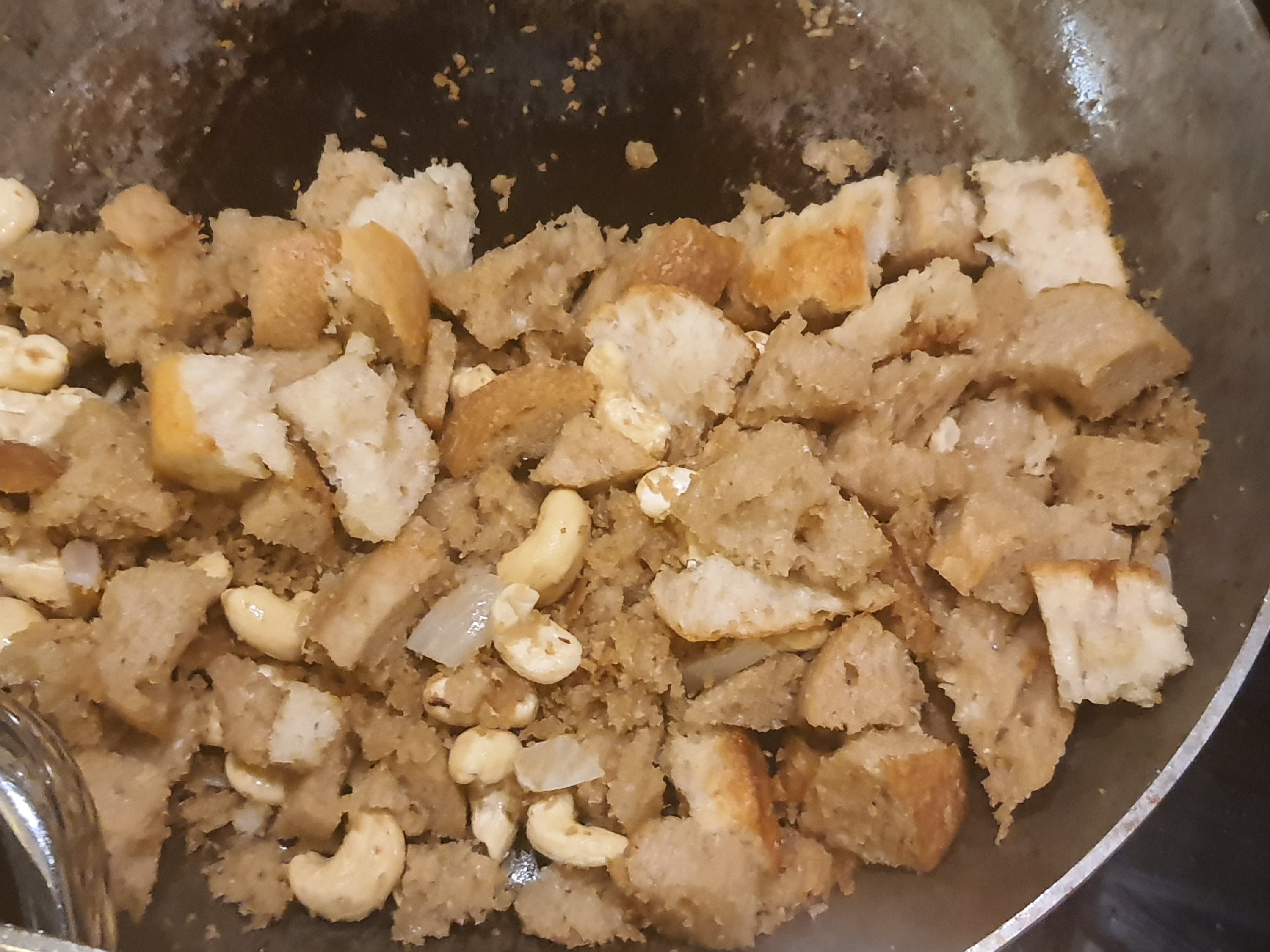
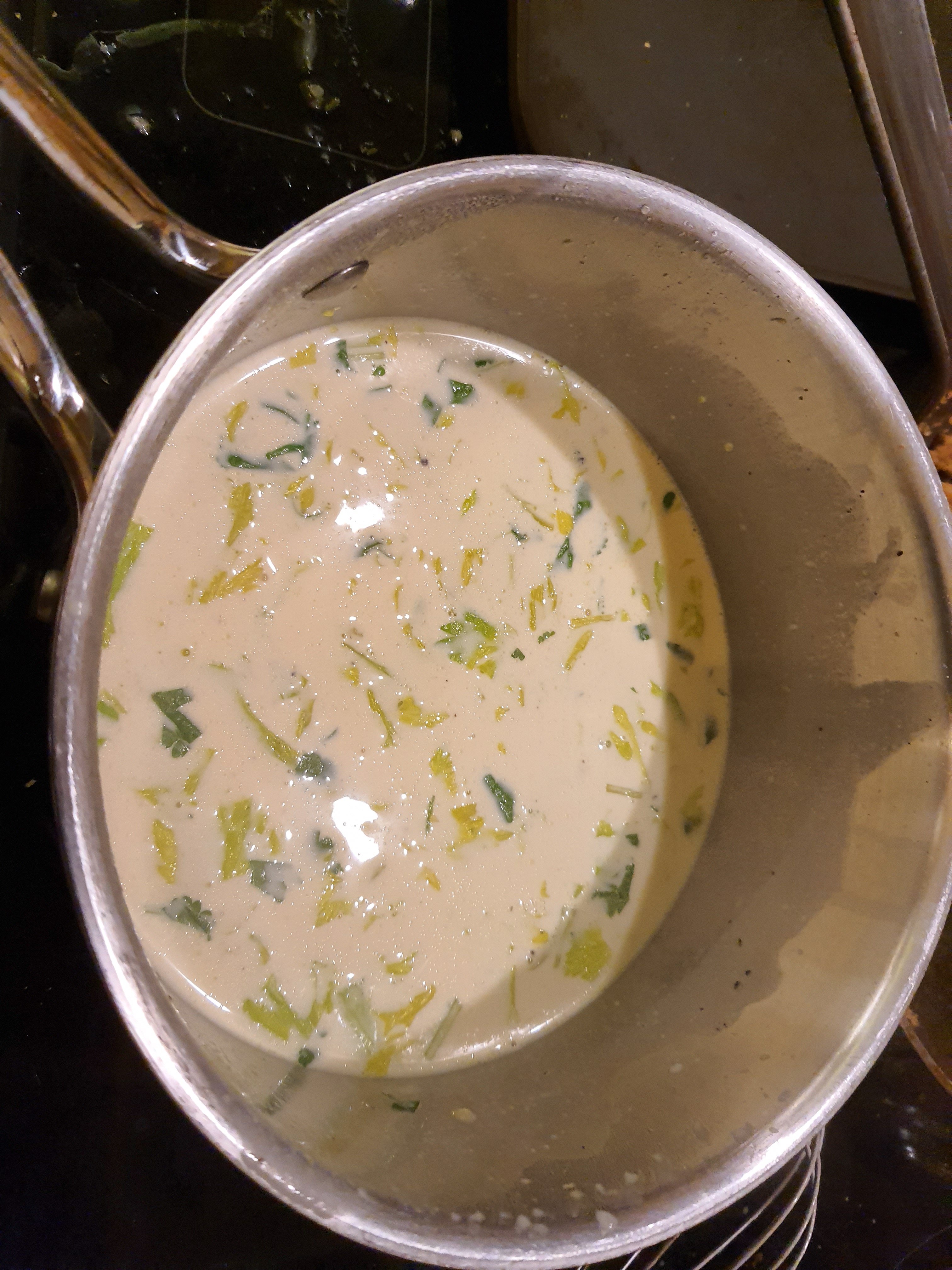
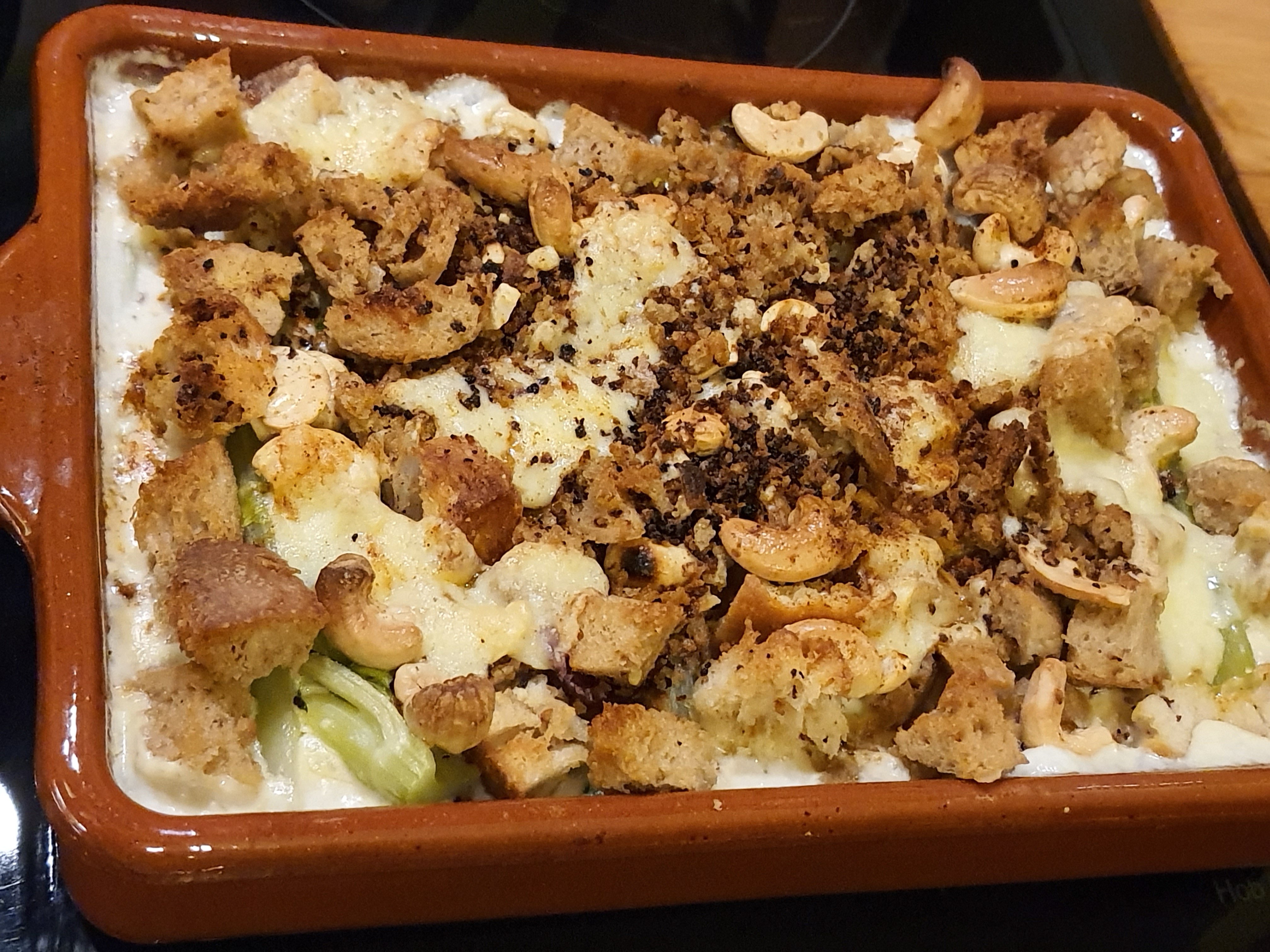
Here is a recipe for my favourite soup of all time. It comes from one of the first cookery books I bought (a splendid vegetarian/ vegan book) when I had my first job in Bath in the early 1990s, “The CRANKS recipe book”. Then a few years later, when I was in London – back at University, I was a frequent visitor to their takeaway as they had a restaurant very close to Goodge Street Station. Such good lunches. It is missed when I go back up to London now. The recipe melds the flavours of celery with cashews – which is also what I did today in the gratin instead of walnuts.
CRANKS Celery and cashew soup
Highly recommended, but I’ve none to photograph as I’m now out of celery!!!
Relax with a piece of celery:
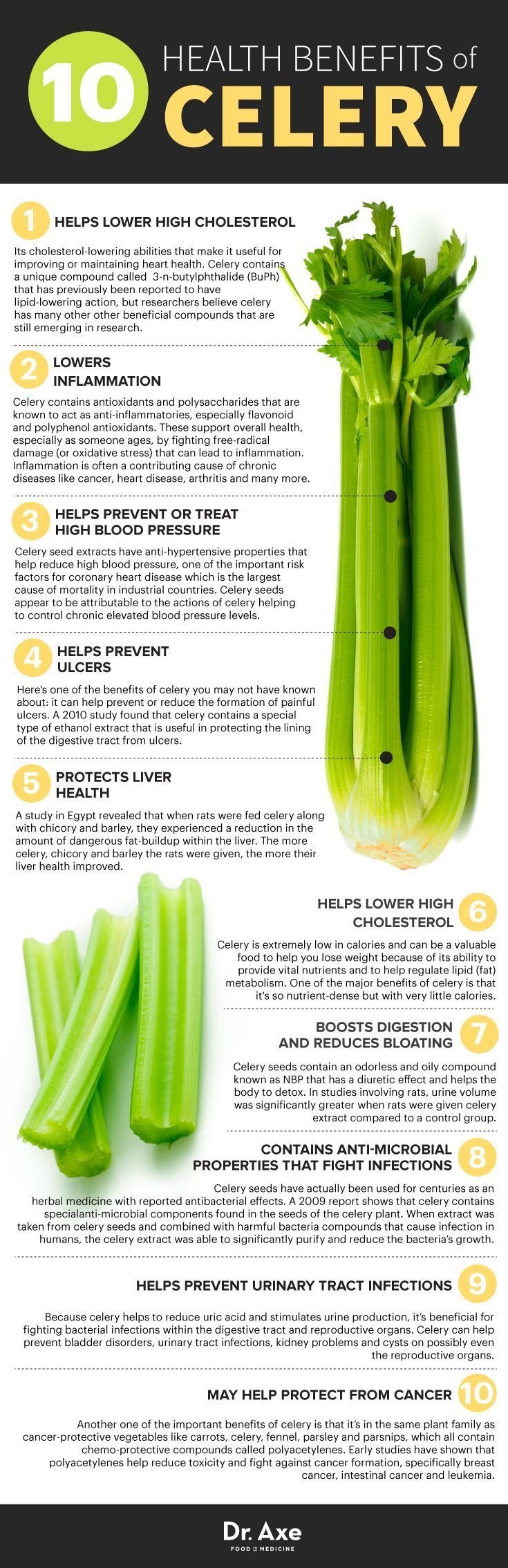
In traditional Oriental medicine celery was used to treat hypertension. This is because phthalide compounds in celery can act as a sedative as well as lower blood pressure.
https://lovecelery.co.uk/love-celery/fun-facts
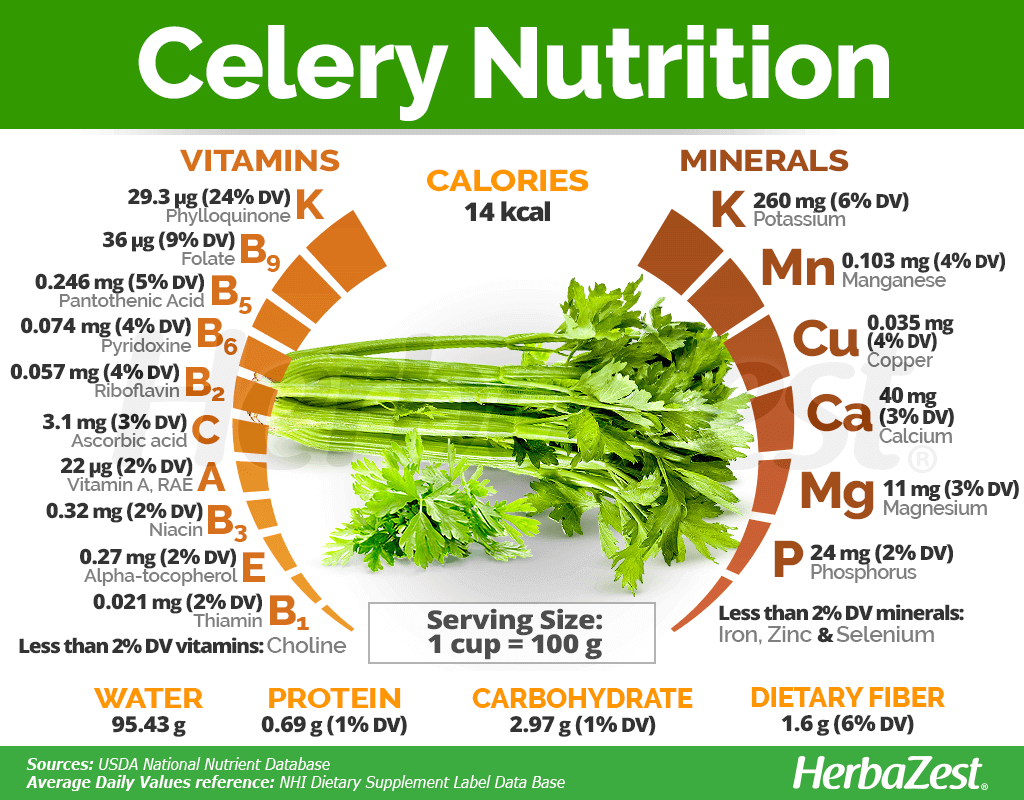
https://www.herbazest.com/herbs/celery
https://www.riverford.co.uk/a-to-z-of-veg/celery
https://mobile-cuisine.com/did-you-know/celery-fun-facts/
http://www.foodreference.com/html/celery-history.html https://draxe.com/nutrition/benefits-of-celery/#What_Is_Celery
Tally for the month
Main Vegetables: aubergine, broccoli (calabrese), Brussels sprouts, butternut squash, celeriac, celery, fennel, radicchio.
Subsidiary Vegetables: onion, shallots, garlic, leek, celery, potato, rosemary, carlin peas, chick peas, kale, chilli, dill, cucumber, mushroom, ramiro pepper, peanuts, corriander, ginger, tamarind, spinach, carrots, green beans, rice, sweet potato, parsley.
Subsidiary Fruit and Nuts: lemon, fig, walnuts, pomegranate seeds, lime, cashew.
 Relishing Life - Eating Well
What a lot of very interesing details. I have tried roast celery and wasn’t very impressed.
LikeLike