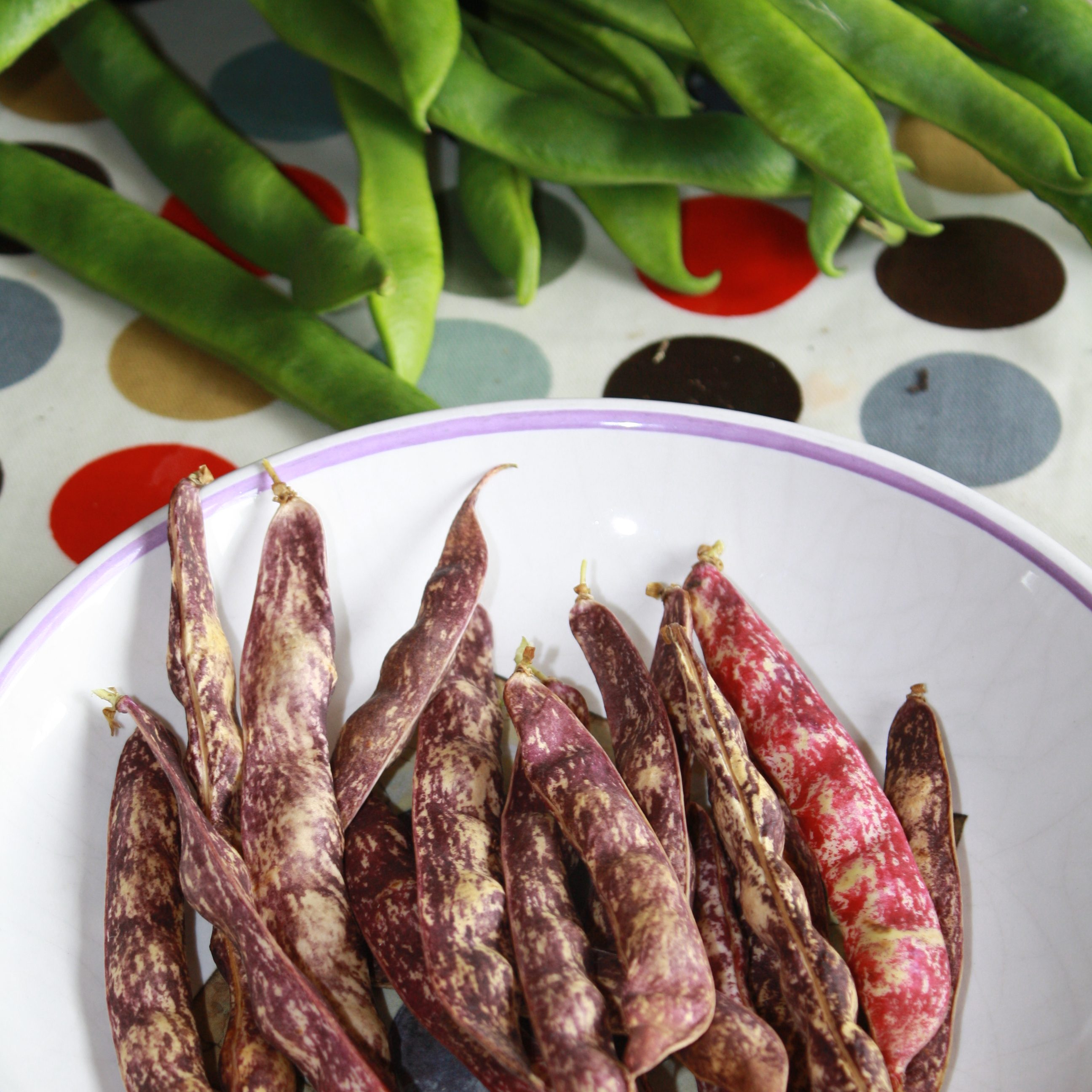
Aubergine
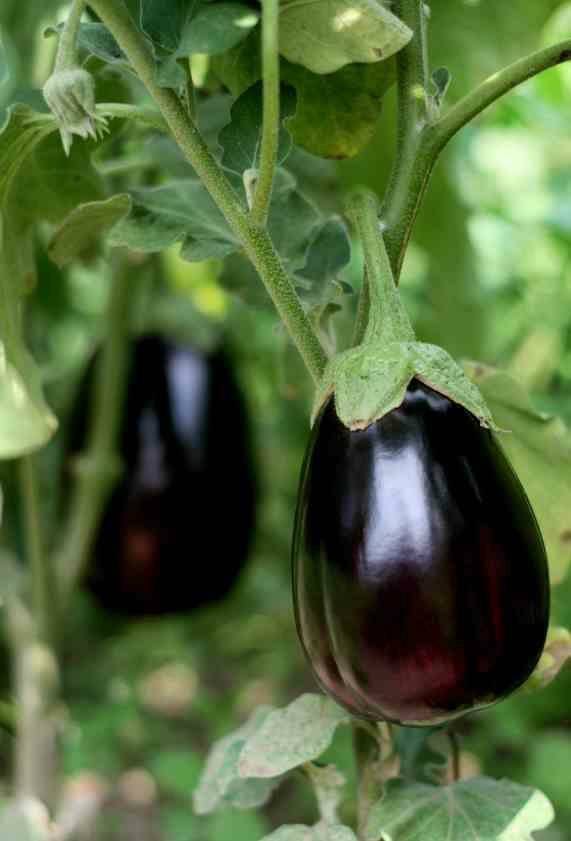
AUBERGINE
Solanum melongena
The aubergine (also called eggplant) is a plant and its berry is eaten as a vegetable. The plant is in the Solanaceae plant family which includes nightshade family of plants: the Datura or Jimson weed, aubergine, mandrake, deadly nightshade or belladonna, capsicum (paprika, chile pepper), potato, tobacco, tomato, and petunia.
In fact, as many do in this family, an aubergine contains nicotinoid alkaloids in its seeds (and they have many), which are responsible for the slightly bitter taste of the purple berry (what we consider the vegetable). However, only a tiny amount, just 0.01%. You would have to eat 9 kilos of aubergines to get the same amount of nicotine as in one cigarette.
The most popular variety of aubergine looks like a large, pear-shaped egg, hence the American name ‘eggplant.’ This one has a glossy rich purple skin and sweet, firm flesh. But there are many other varieties found throughout the world. Asia uses a lot of aubergines in their national cuisines. They are also frequently used in Greece, Turkey and the Middle East.
The origin of aubergine is considered to be India where it continues to grow wild. This spiny, bitter, orange, pea-sized fruit has been cultivated throughout India and China for more than 1500 years into the main variety found in the west now. As trade routes opened, aubergines were transported around the world. It is estimated that the aubergine reached Greek soils around 325 BC after the death of Alexander the Great in Babylon. Discovering this new vegetable during his conquest, Alexander the Great wished to bring it back to his country on his return. After his death, members of his army brought seeds of the vegetable back to Greece and specifically to the city of Vergina (Βεργίνα). The Latin/French term aubergine (au·ber·gine) (\ˈō-bər-ˌzhēn\) is estimated around 1505 AD and is coined to Franco-Catalan gastronomist Sergius Rosario Silvestri. Upon arrival to the historical site of Vergina (Βεργινα) and wanting to try the local delicacies, Silvestri came across the plant of aubergine. Not knowing its name, he referred to it as aubergine (au Bergine or au Vergine) which in French means at Vergina or found at Vergina.
Prep & Cooking tips
Unless cooking whole, you’ll need to remove the green calyx at the top before slicing or dicing to your requirements. You can salt the flesh for a while before cooking; some people believe this reduces any bitterness but with the modern varieties it simply serves to draw out excess liquid. This can help it to absorb a little less oil when cooking but it is generally not vital.
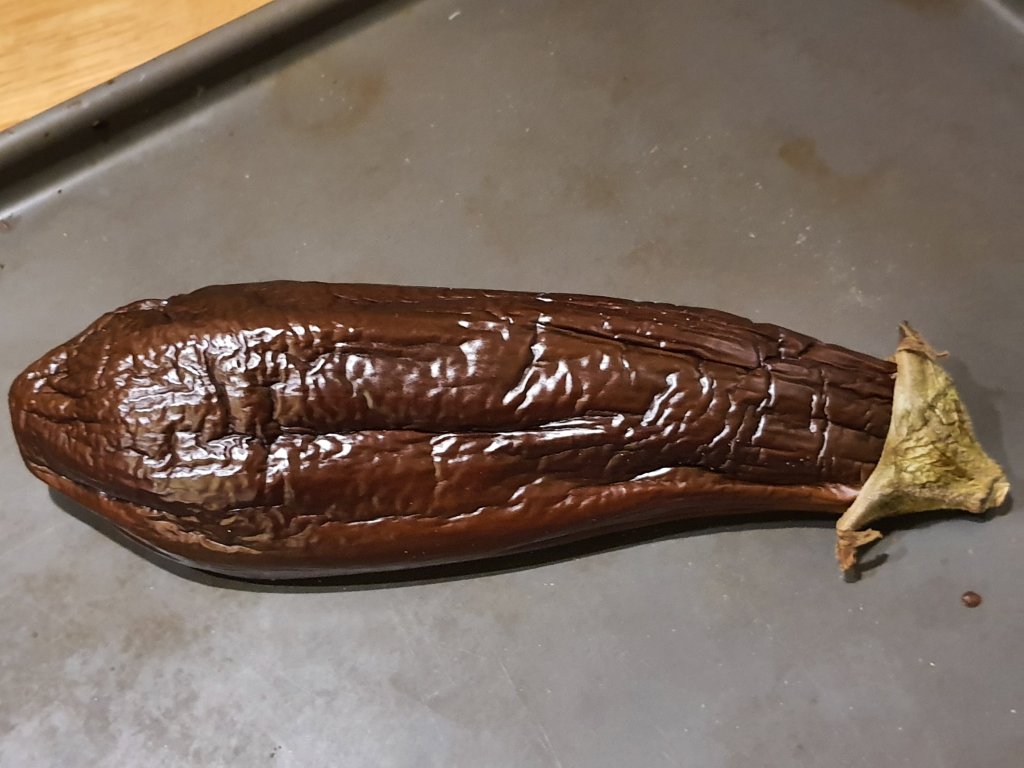
Many people have bad memories of undercooked, spongy aubergines. This is easily solved with generous applications of seasoning, oil and heat. Season well and fry or roast them with enough olive oil until the flesh goes golden brown and tender. Less oil is required when roasting. They’ll work wonders stewed down with plenty of tomatoes and North African spice. They can even be roasted or grilled whole before stripping away the scorched skin to reveal the soft flesh inside, in which case no oil is required.
Phyto-nutrients
Aubergines are rich in antioxidants, specifically nasunin found in aubergine skin – which gives it its purple colour. A potent antioxidant and free radical scavenger, nasunin has been found to protect the lipids (fats) in brain cell membranes. Cell membranes are almost entirely composed of lipids and are responsible for protecting the cell and helping it to function. The lipid layer is crucial for letting nutrients in, wastes out and receiving instructions from messenger molecules that tell the cell what to do.
It’s possibly quite a health promoting food. There have been some studies that indicate that some phyto-chemicals in the aubergine may help in controlling glucose absorption, beneficial for managing type 2 diabetes and reducing associated high blood pressure (hypertension). Aubergines may also help to lower LDL (bad) cholesterol levels.
Goes well with:
Asian flavourings (Chilli, Ginger, Mirin, Miso, Soy sauce)
Cheese (Feta, Halloumi, Mozzarella, Parmesan)
Garlic
Lamb
Pomegranate
Sesame (Oil, Seeds, Tahini)
Summer herbs
Tomato
Walnuts
Tamarind paste
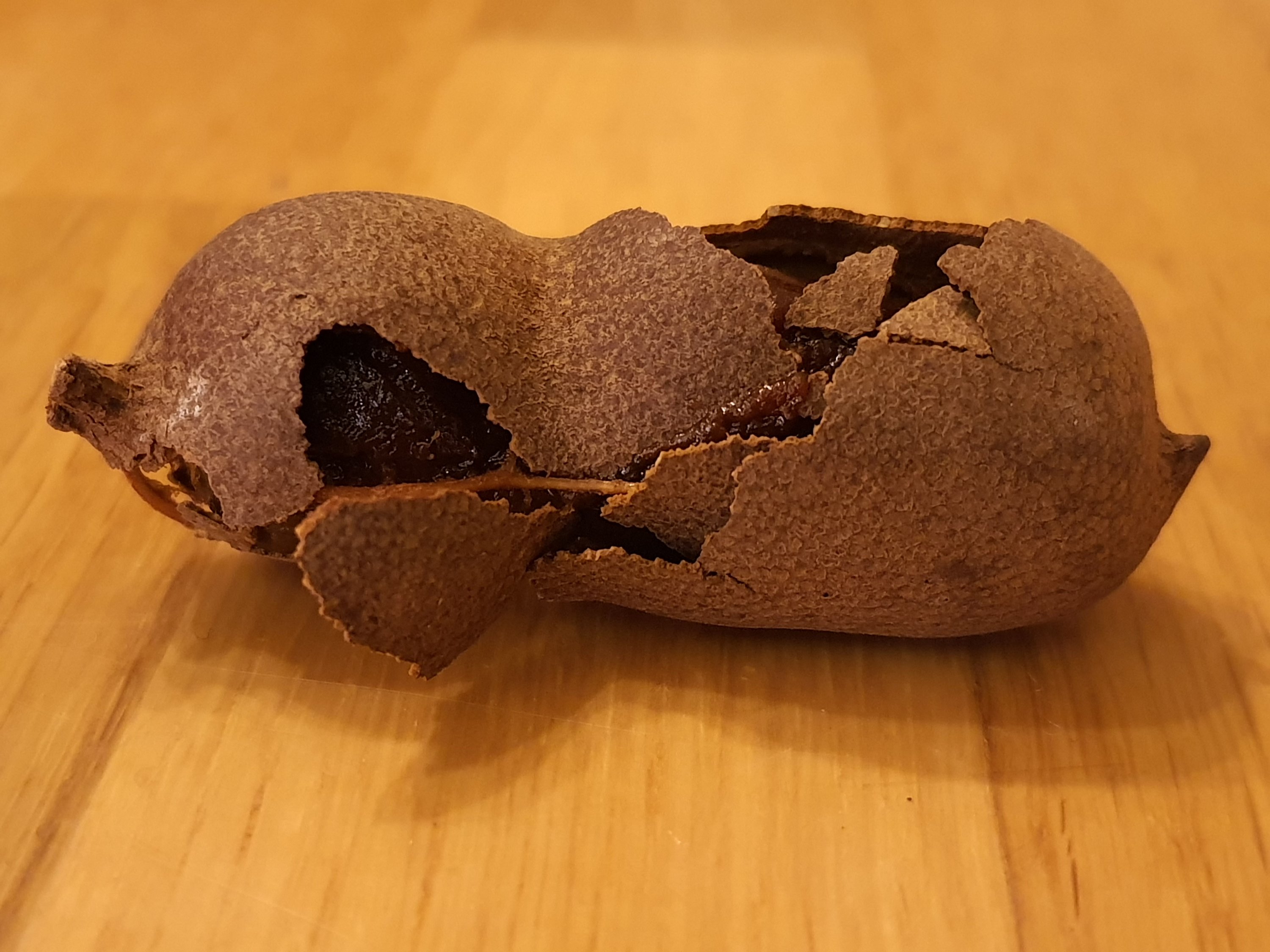
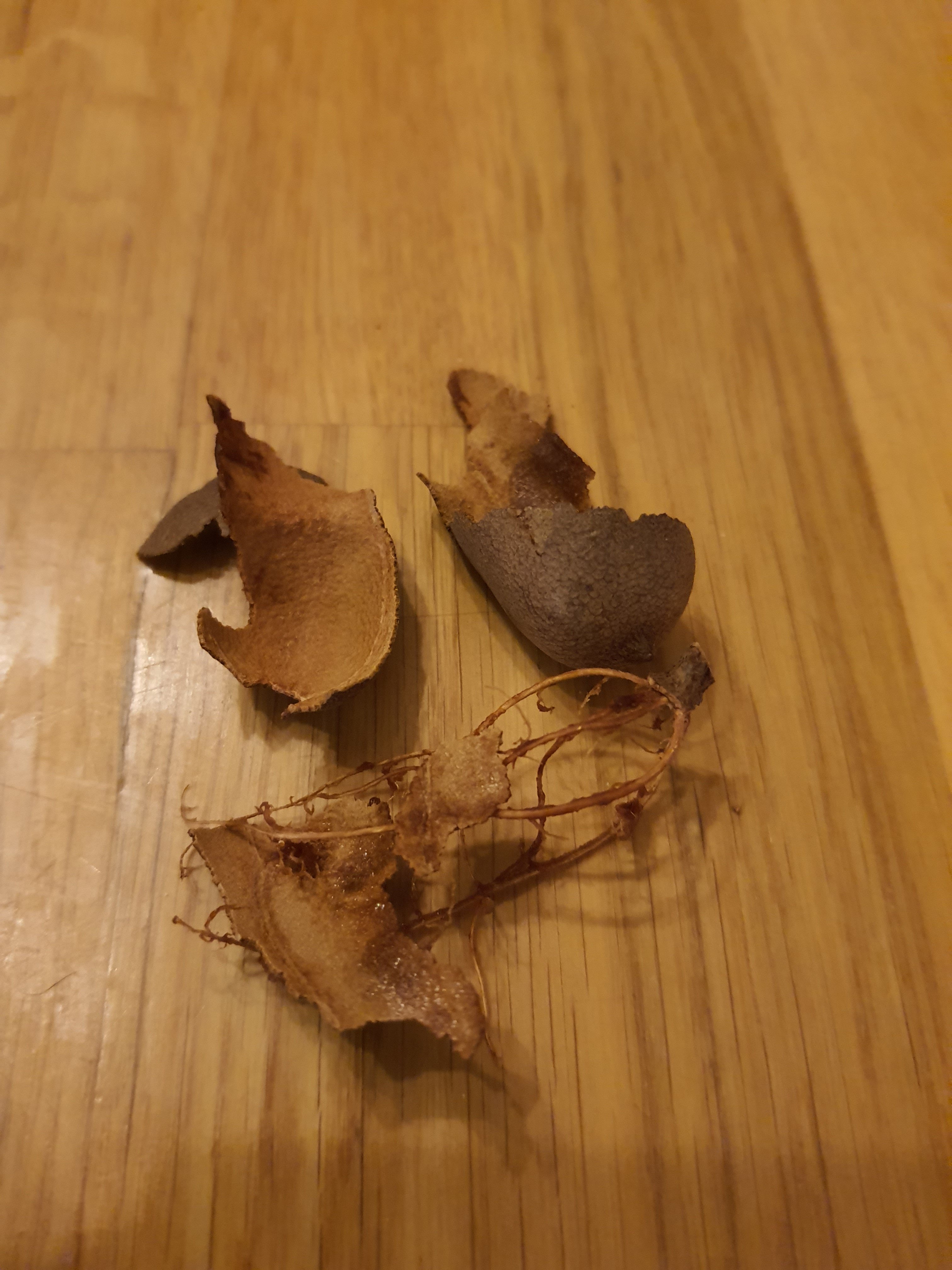
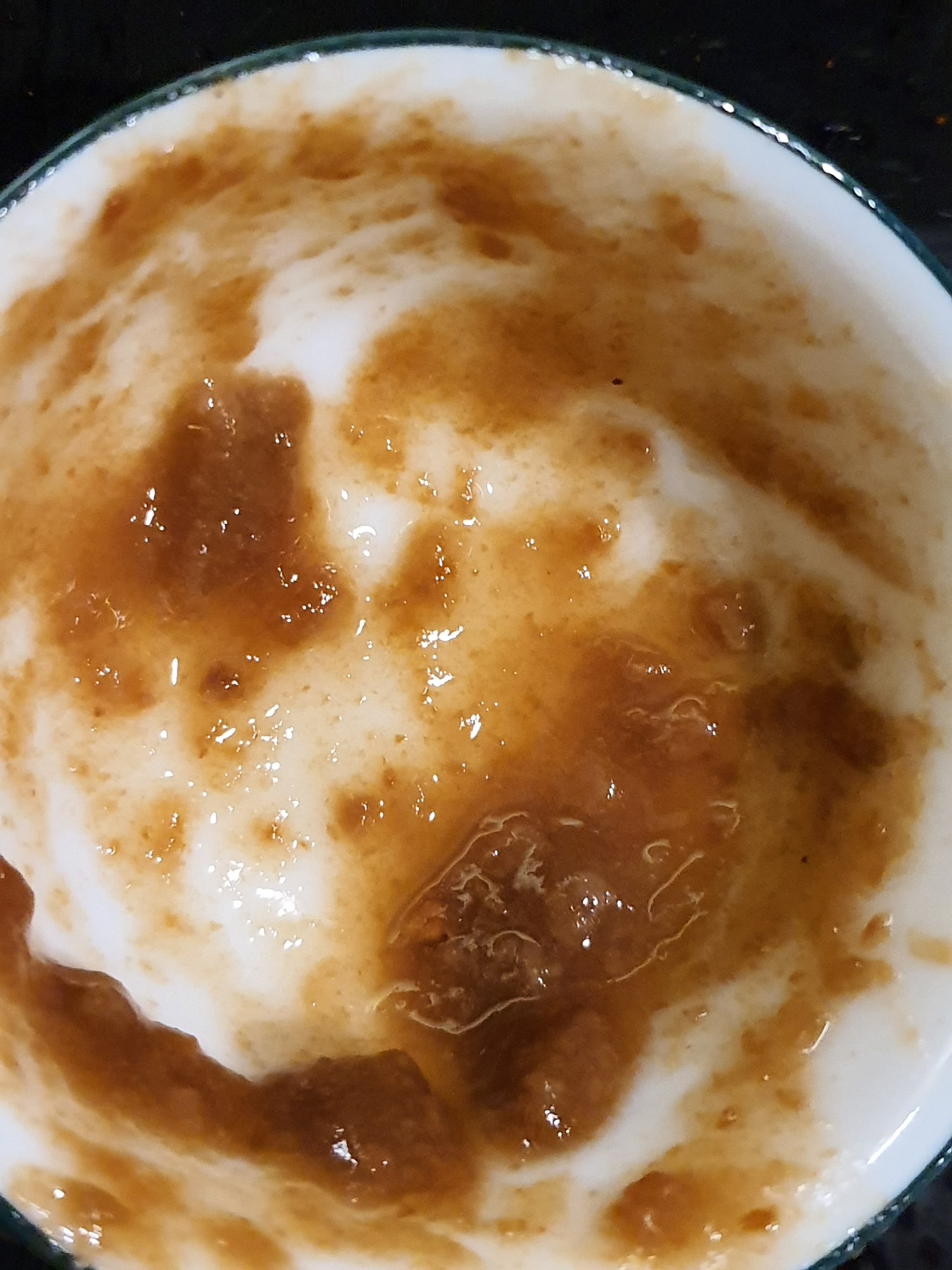
I spotted tamarind pods at Hoole Food Market, so I bought one (just for fun) and the next recipe was chosen as a consequence. I love tamarind. Sour and sweet, it’s unlike anything else I’ve tried. Anyway, what you do is peel away the skin and the “skeleton” from the sticky pod. Put sticky pod in a ramakin and cover with warm water, soaking for an hour or so. Pop out the large seeds (3 in my pod, assume that’s standard) and you a have a sticky jam like paste. I forgot to photograph, so all that’s left in picture are the remnants in the bottom of the dish!
Coconut and peanut aubergine curry
Ingredients (serves 4)
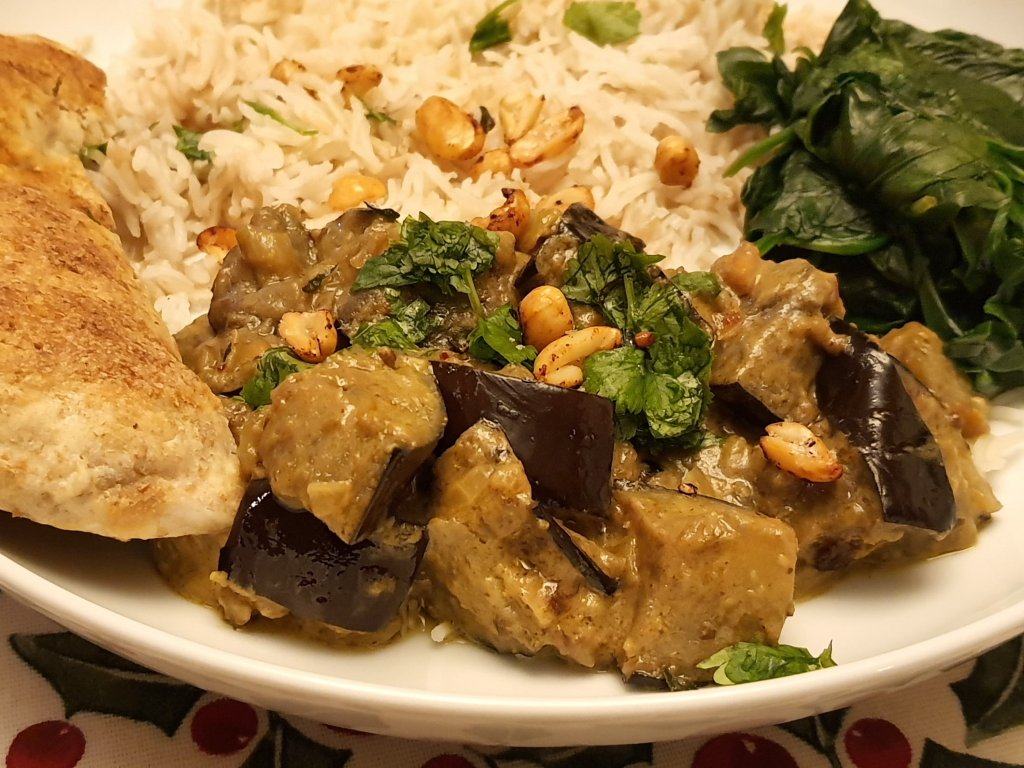
Ingredients
oil for frying
aubergines 2, cut into large chunks
onions 2, chopped
garlic 2 cloves, crushed
ginger a 5cm piece, finely grated
cumin seeds 1 tsp
coriander seeds 1 tsp, crushed
turmeric 1 tsp
chilli powder 1/2 tsp
half-fat coconut milk 400ml
tamarind paste 1 tbsp
peanut butter 1 tbsp
coriander or breads or rice to serve
Method
STEP 1
Plu the aubergine pieces on a baking tray and drizzle with oil, mix so all coated and then spread out so all in one layer. Bake in oven at 200°C until golden and soft – about 20 mins. Turn over half way through.
STEP 2
Heat 1 tbsp oil in a pan. Add the onion to the pan and cook until soft and golden. Add the garlic and ginger and cook for a minute. Add the spices and cook for 2 minutes.
STEP 3
Tip in the coconut milk, tamarind and peanut butter. Simmer gently until the peanut butter dissolves. Add the aubergine and simmer for 15 minutes. Stir through some coriander and serve with bread or rice and a squeeze of lemon.
Opinion: Delicious flavours and texture. However, I might have enjoyed more depth, so next time will chop a fresh chilli, use 3 tamarind pods as they were so sticky but not quite enough and perhaps a little more ginger.
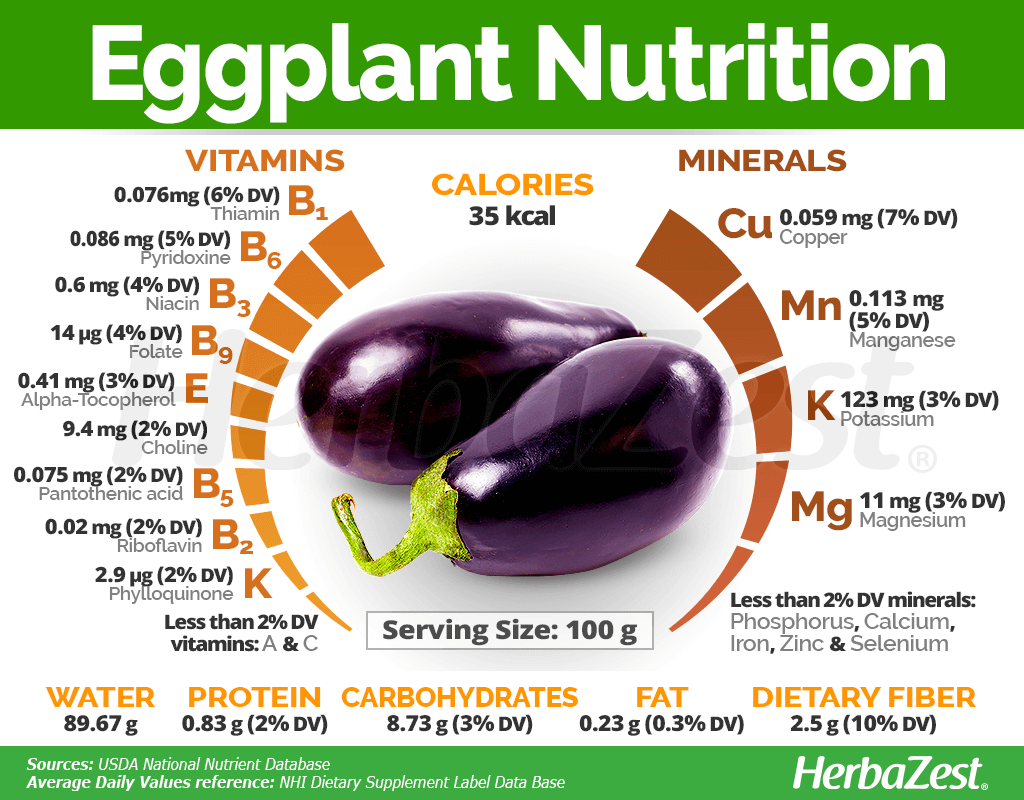
50% of the volume of an aubergine is air!
Sources of information:
- https://www.bbcgoodfood.com/howto/guide/ingredient-focus-aubergines
- https://www.herbazest.com/herbs/eggplant
- https://www.bbcgoodfood.com/howto/guide/ingredient-focus-aubergines
- https://cals.arizona.edu/maricopa/garden/html/pubs/0203/eggplant.html
- https://simple.m.wikipedia.org/wiki/Aubergine
- https://www.lovemysalad.com/blog/15-fun-facts-about-aubergines
- https://www.mcgill.ca/oss/article/did-you-know/eggplants-contain-nicotine#:~:text=Eggplant seeds (and they have,milligrams of nicotine per cigarette.
Tally for the month
Main Vegetables: aubergine,broccoli (calabrese), Brussels sprouts, butternut squash, celeriac, fennel, radicchio.
Subsidiary Vegetables: onion, shallots, garlic, leek, celery, potato, rosemary, carlin peas, chick peas, kale, chilli, dill, cucumber, mushroom, ramiro pepper, peanuts, corriander, ginger, tamarind, spinach, carrots, green beans, rice, sweet potato.
Subsidiary Fruit and Nuts: lemon, fig, walnuts, pomegranate seeds, lime
 Relishing Life - Eating Well