Fennel
FENNEL
Foeniculum vulgare
Fennel is cultivated, both in its native range and widely elsewhere, for its edible, strongly flavored leaves and fruits. In Italy they grow the most in the world. Finocchio (fennel in Italian) is found in two forms – the slightly fluffy looking herb fennel and the fat, white bulb commonly known as Florence fennel – which can be found growing wild throughout Italy. Both, along with the potent dried fennel seeds, are very popular in Italian cuisine.
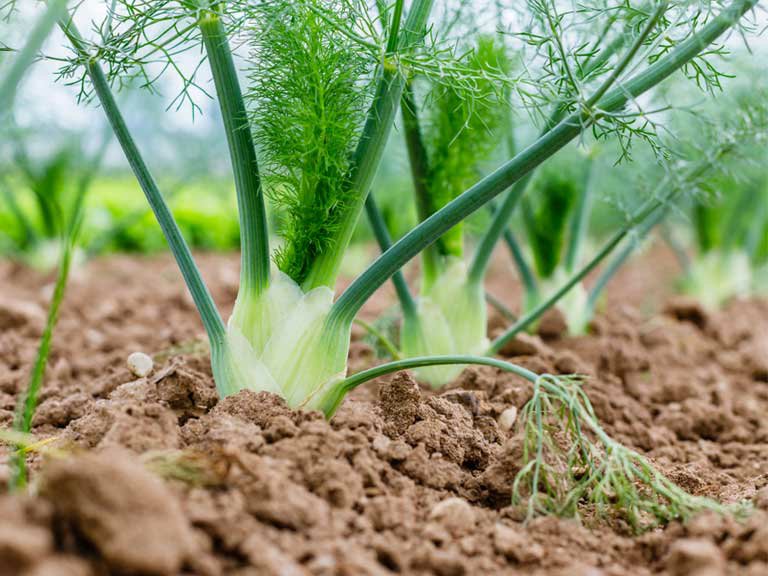
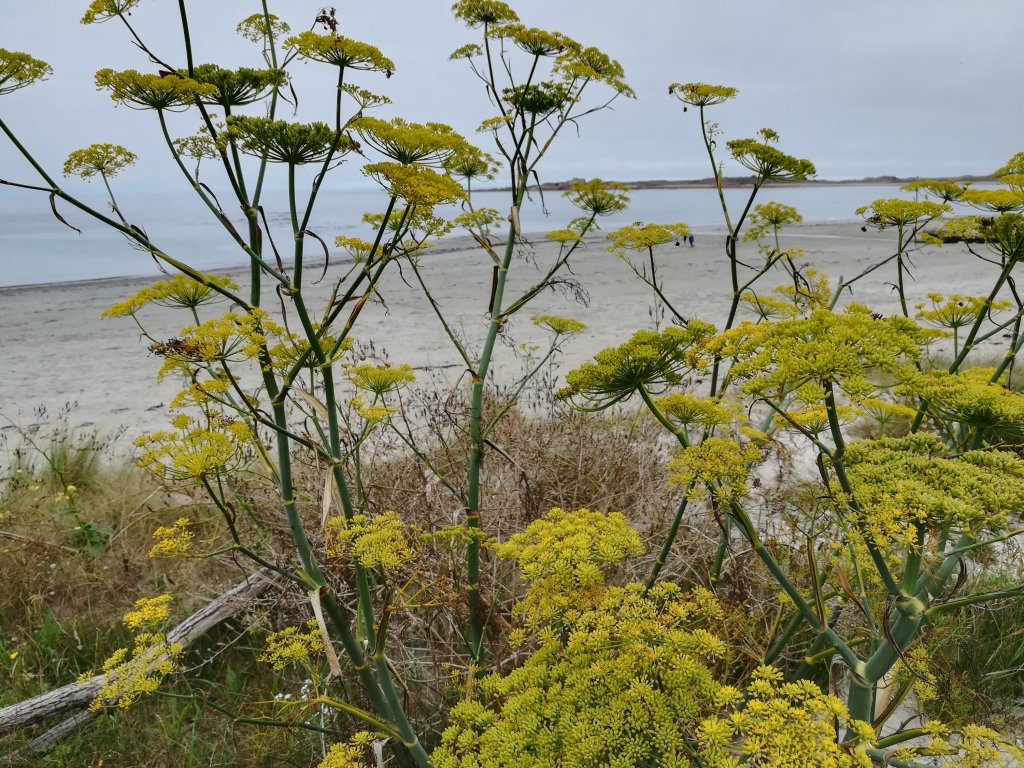
Fennel is a member of the carrot family, though it’s not a root vegetable. The base of its long stalks weave together to form a thick, crisp bulb that grows above ground. Above the bulb, at the tip of the stalks, it has light, feathery leaves that resemble dill. When it goes to seed, fennel also produces small yellow flowers among the leaves. Every part of it is edible, from the bulb to the flowers, and it can be eaten raw or cooked.
Fennel’s aniseed or liquorice flavour comes from an aromatic compound called anethole, which is also found in anise, star anise and tarragon (among others). The flavour and aroma of fennel is similar to theirs, though usually not as strong.
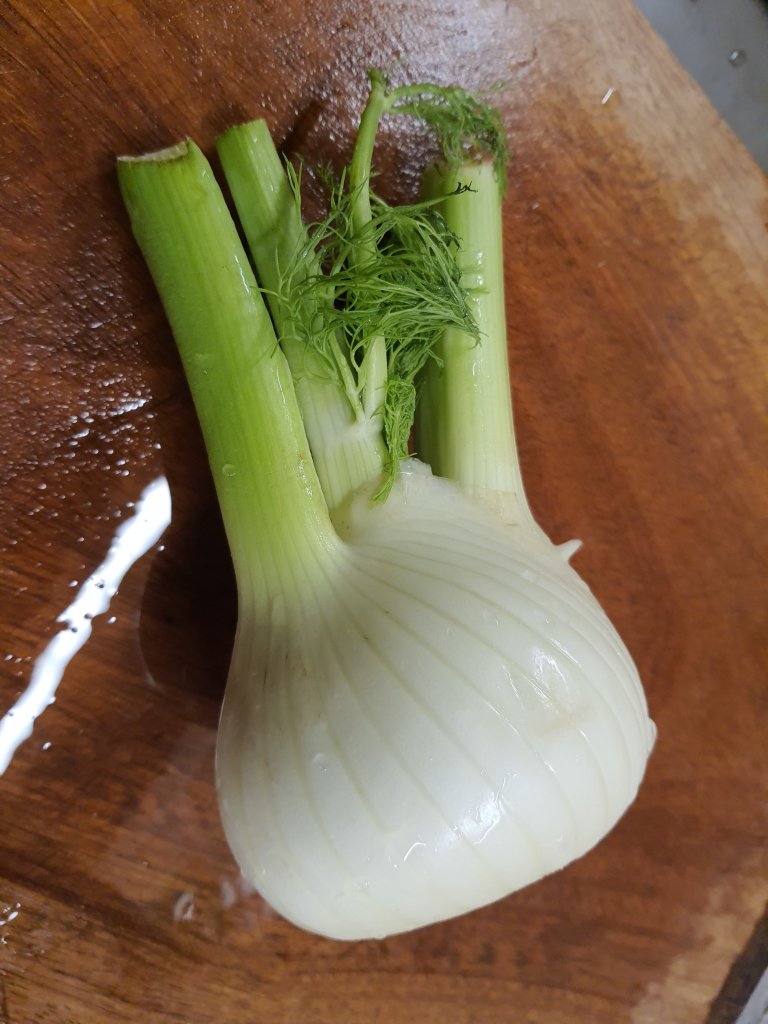
Though the stalks and leaves are edible, fennel recipes most often call for the bulb. When raw, it has a crisp texture similar to celery and a fresh aromatic anise flavor. It can be eaten raw, sautéed, roasted, or even added to soups and sauces. It caramelizes as it cooks, taking on a sweeter flavor and tender, melt-in-your mouth texture. As with so many vegetables, its character changes depending on how you cut it. How you cut and how you cook it go hand in hand.
Raw fennel bulb, shaved thinly with a mandoline, removing any tough core pieces, is delicious on its own. Marinated in lemon juice, olive oil, and salt it is different again. There are so many raw fennel salad recipes. Thinnly sliced fennel works well if you want to sauté it. The thin slices will melt and brown in the pan, taking on a delicious caramelized flavour. Roasted fennel does well cut in wedges. Remove the stem and cut the bulb in half vertically and then cut each half into several wedges.
Recipes most often call for the bulb, but don’t throw away the tops! Finely chopped fronds to use as an aromatic garnish for salads, soups, pasta, and the fennel stalks and leaves can be added to a vegetable stock.
This root vegetable originated in the Mediterranean countries of Greece and Italy. It has a rich history of use because of its many nutritious properties. Since the time of Hippocrates, it was used as medicine. The Romans thought of fennel as a sacred ritual object and they used it as a digestive stimulant. The Greeks would use fennel during their ceremonies because it symbolized pleasure and prosperity. And the ancient Chinese and Egyptians used the vegetable as food and medicine.
Wild fennel: Greeks call it maratho and it grows all over the Greek islands and the mainland. Marathon, the area south of Athens where in 490 BC Greeks won the famous, decisive battle against the invading Persian army, probably acquired its name because of its abundant fennel fields. A young soldier, Pheidippides, ran the 42 kilometers from Marathon to Athens to announce the triumphant victory, thus inspiring the eponymous run.
As Old English finule, fennel is one of the nine plants invoked in the charms from the eleventh-century Anglo-Saxon magico-medical text Lacnunga – the “Nine Herbs Charm” (Nigon Wyrta Galdor).
Both the “Nine Herbs Charm” and “Against a Sudden Stitch” (Wið Færstice) appear to have influenced Tolkien’s writing of The Lord of the Rings. The “Nine Herbs Charm” was an incantation uttered over nine powerful plants (mugwort, plantain, chamomile, apple, fennel, chervil, betony, nettle, and lamb’s cress to intensify their ability to counteract nine poisons and nine infections or illnesses from onflygnum, flying infections thought to enter their victim through the mouth and ears. It has been has suggested that Tolkien used this nine vs. nine opposition in Elrond’s assembling of the nine-member Fellowship of the Ring to oppose the nine Black Riders of Mordor.
For centuries, fennel has been used in various Mediterranean countries for cooking and baking. It was added to loaves of bread for added flavor and to make it easier to digest. In North America, fennel was used by the Cherokees to calm digestive issues in infants and was also given to mothers during childbirth. It was also used as part of an eyewash to promote eye health.
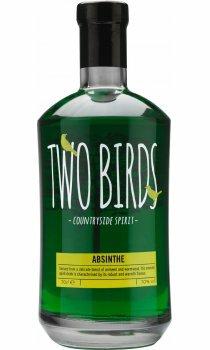
Goes well with
Fruit (Apples, Pears, Citrus fruit, Carrots, Olives)
Nuts (Almonds, Hazelnuts, Pine nuts, Walnuts)
Lamb
Pork
Fish and shellfish
Recipes
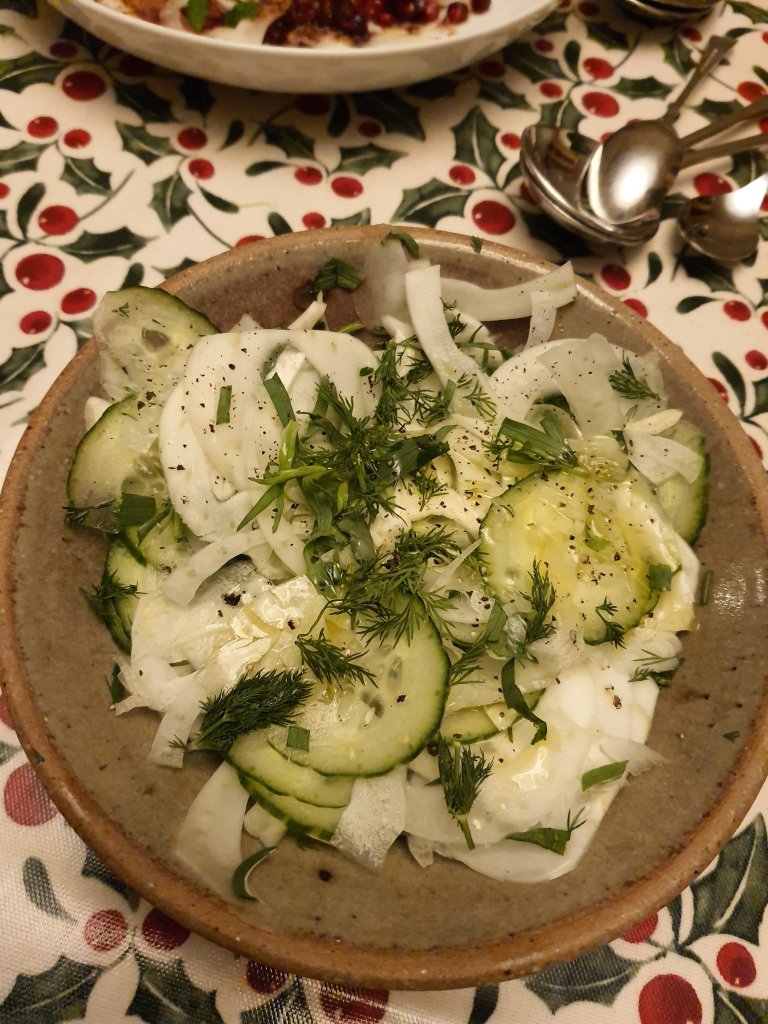
Fennel salad with cucumber and dill
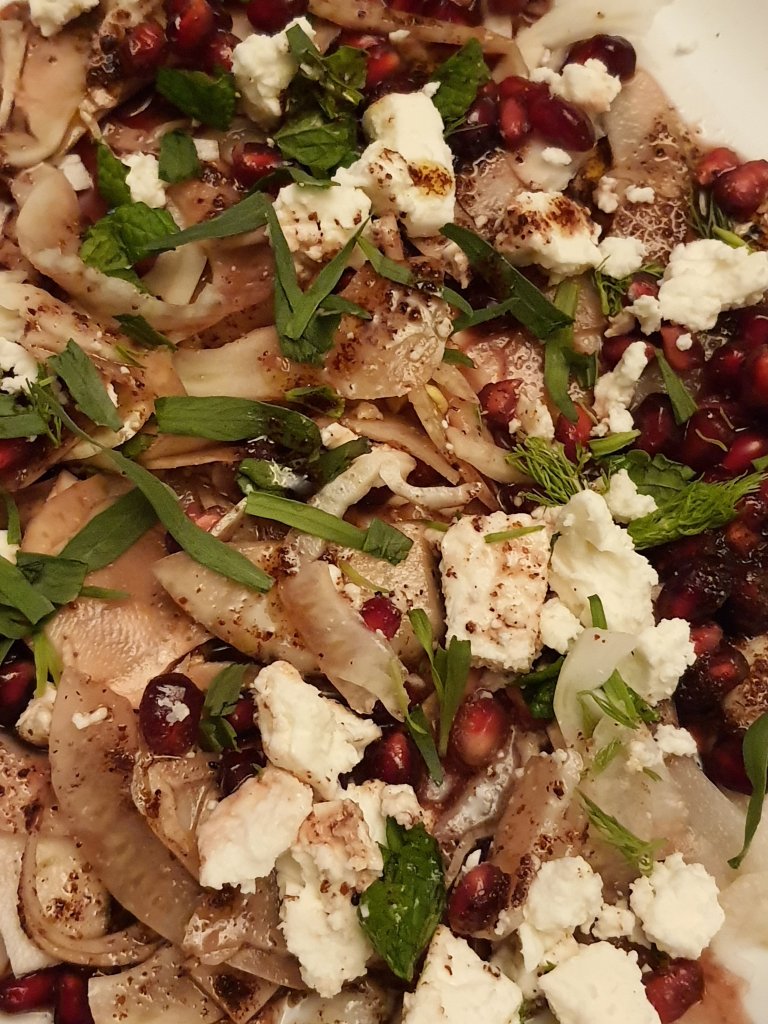
Fennel, Feta & Pomegranate Salad
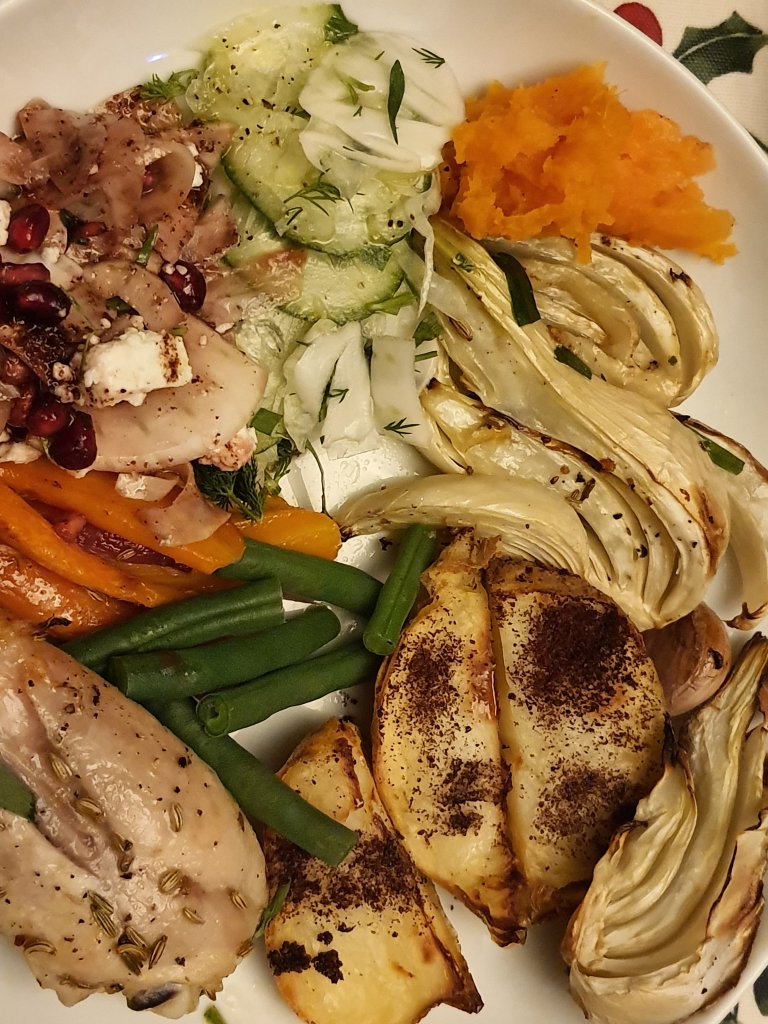
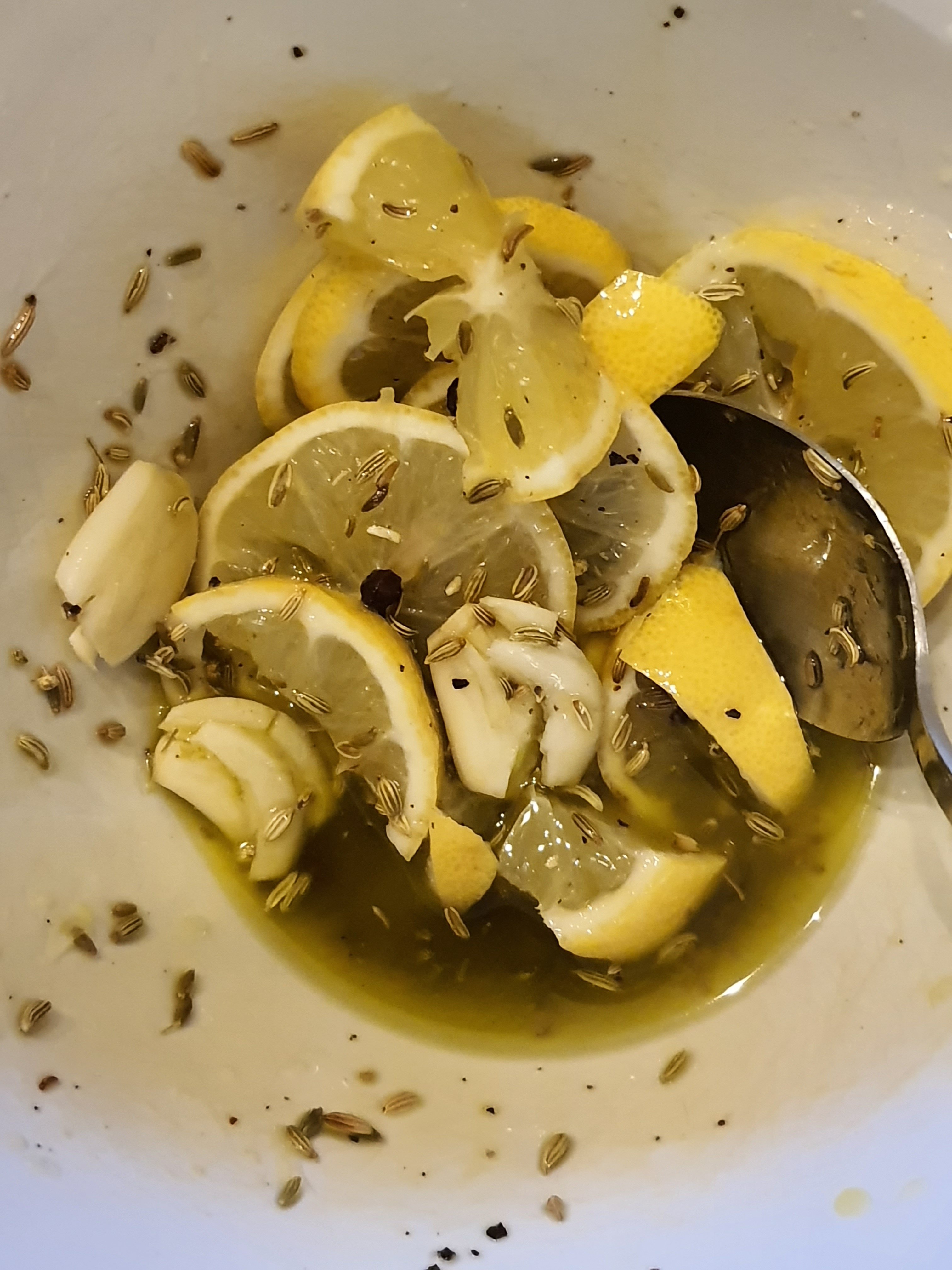
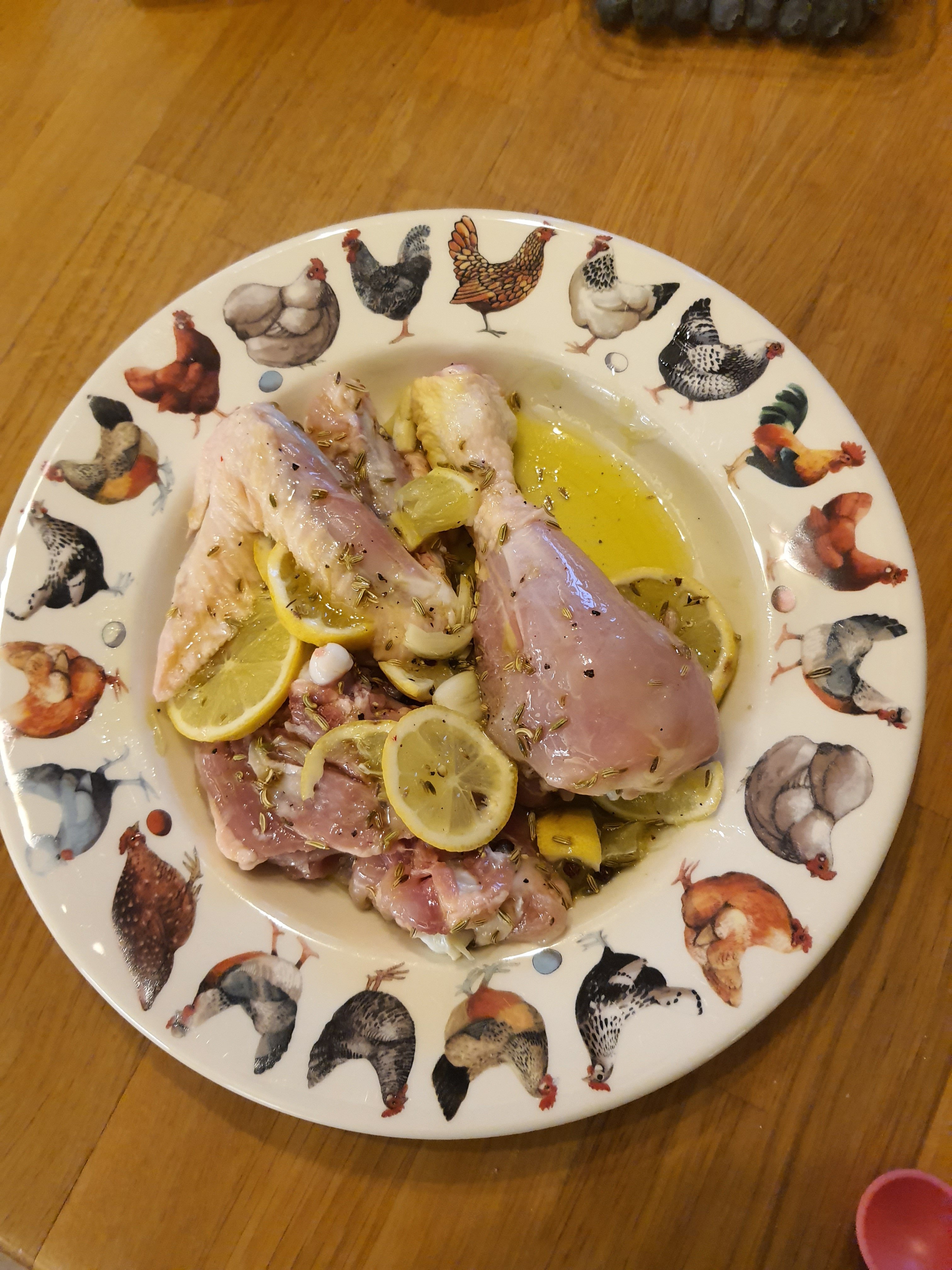
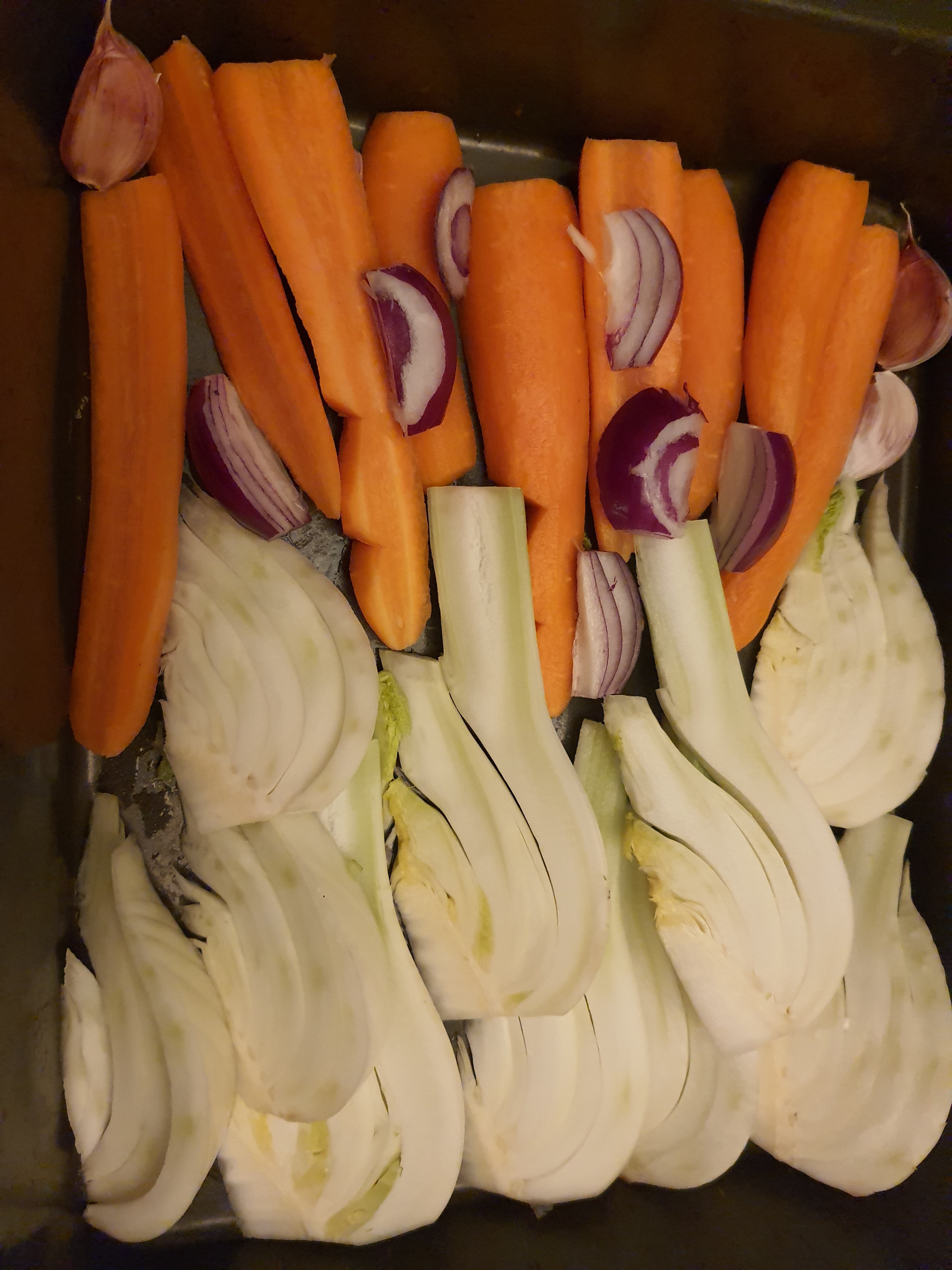
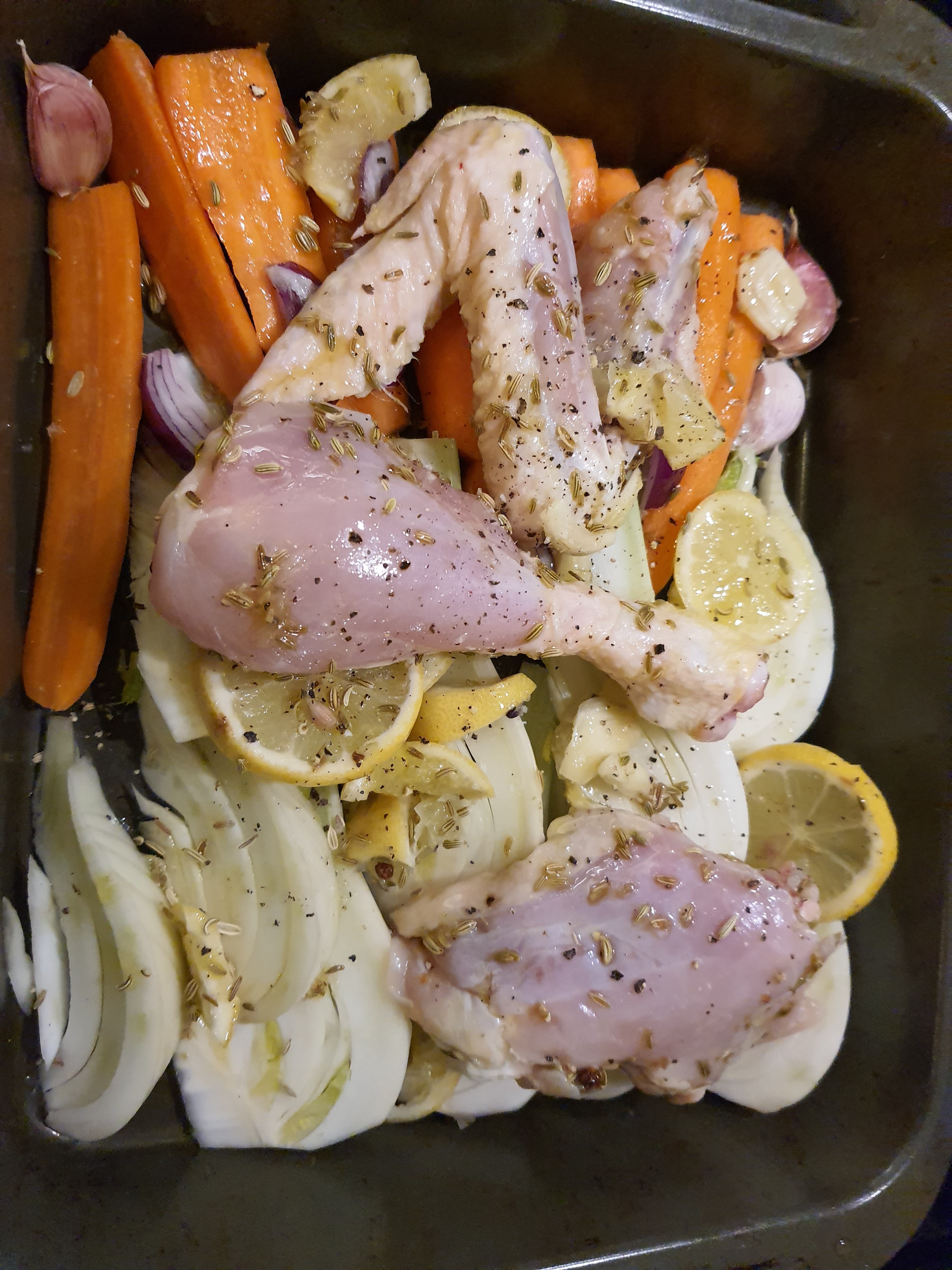
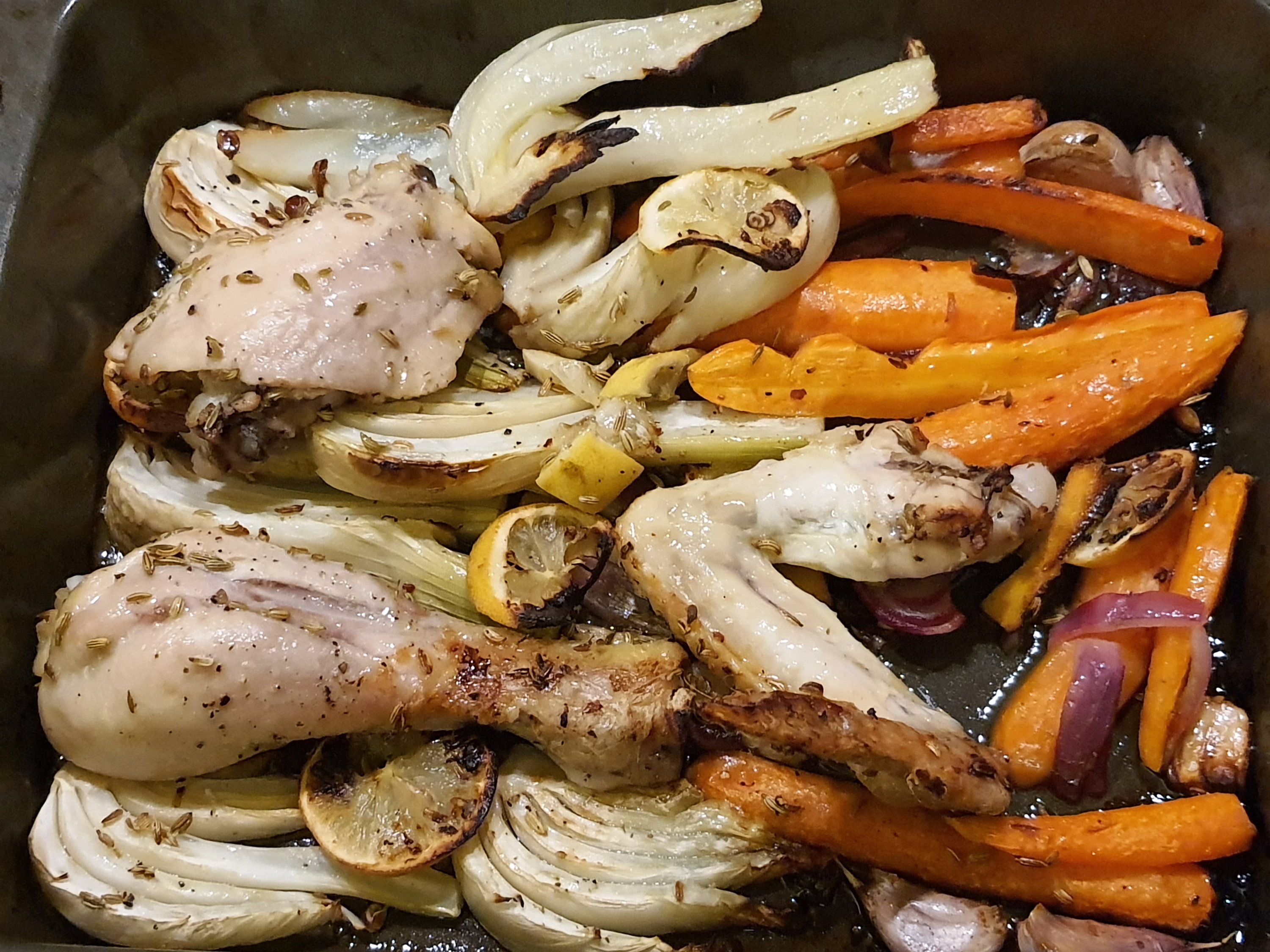
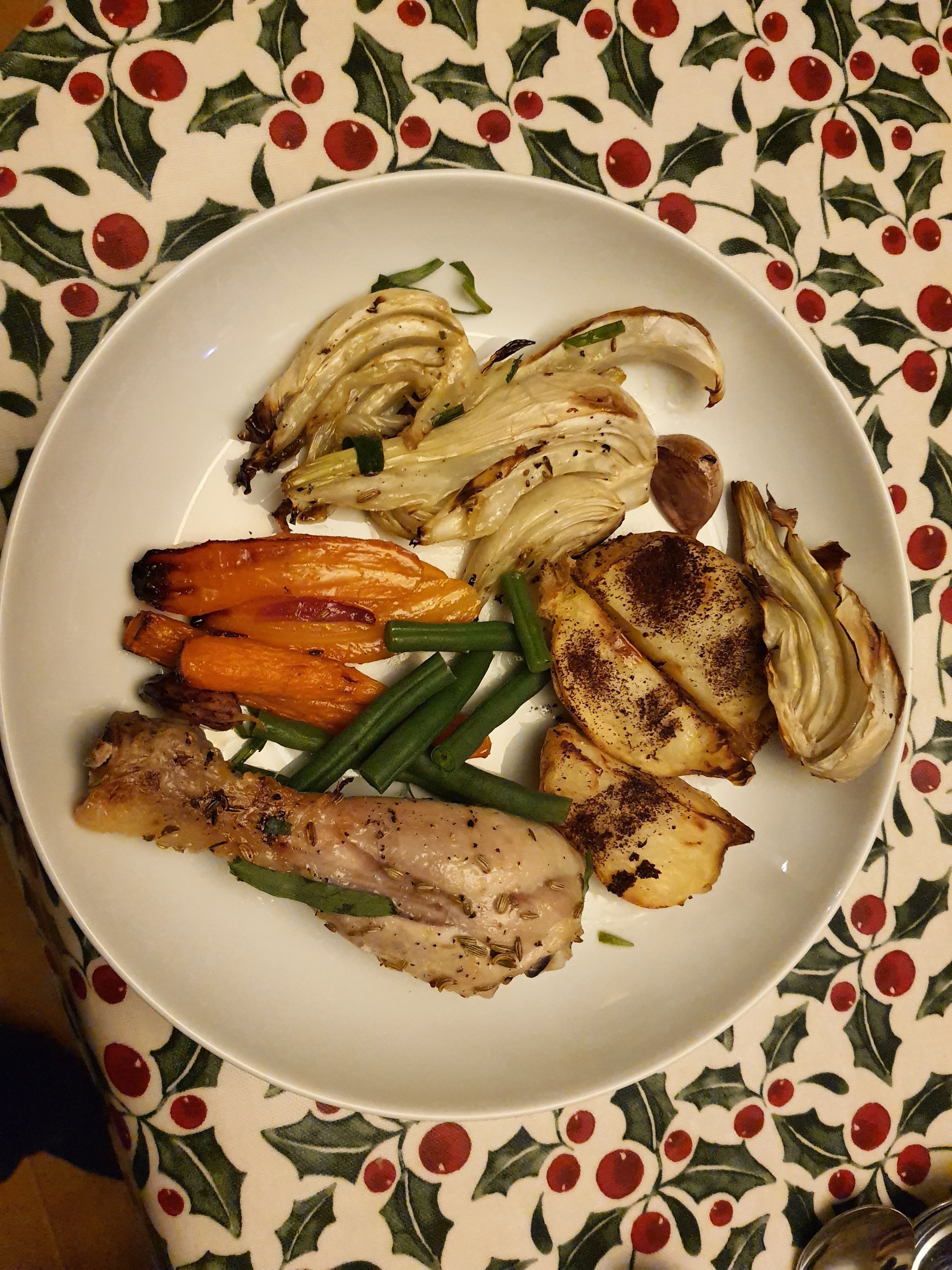
Da Paolino garlic lemon chicken
My variation – I’ll revisit this page with my recipe
Sources: http://www.loveandlemons.com/what-is-fennel/ https://draxe.com/nutrition/fennel-benefits/ https://www.theatlantic.com/health/archive/2009/08/wild-fennel-greeces-mythic-ingredient/23599/ http://cw.routledge.com/ref/tolkien/charms.html https://en.m.wikipedia.org/wiki/Fennel https://www.herbazest.com/herbs/fennel
 Relishing Life - Eating Well
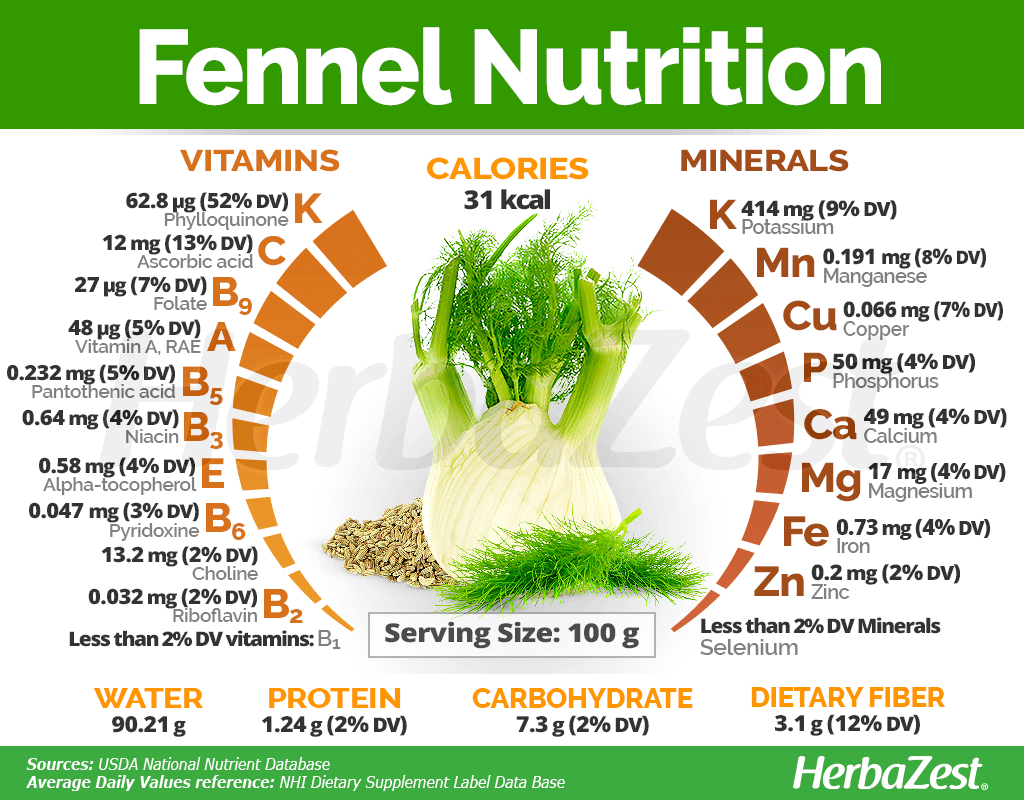
Love the vitamin chart at the end – so amazing to see how many are in Fennel! I’m not keen on the aniseed group of tastes sadly – not by choice! You must be working so hard to do this blog every day – it s amazing Xxxxx
Sent from Yahoo Mail for iPhone
LikeLike
I’m enjoying it. The variety of food we’re eating and creating. I can’t work at the moment with COVID – haven’t done since November- so it’s good to have a focus outside of the humdrum!! And it’s so interesting!!
LikeLike
I like the taste of fennel
LikeLike