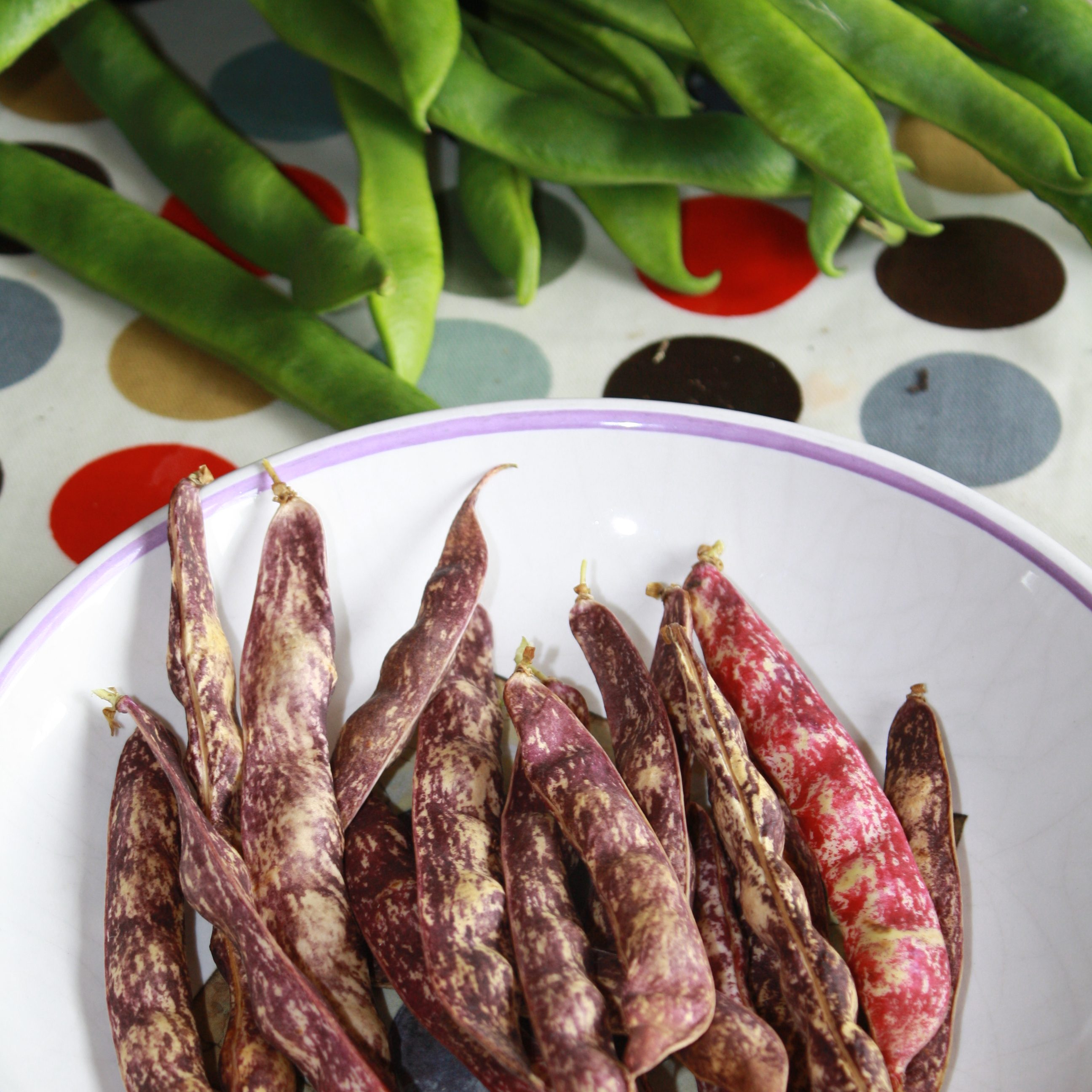
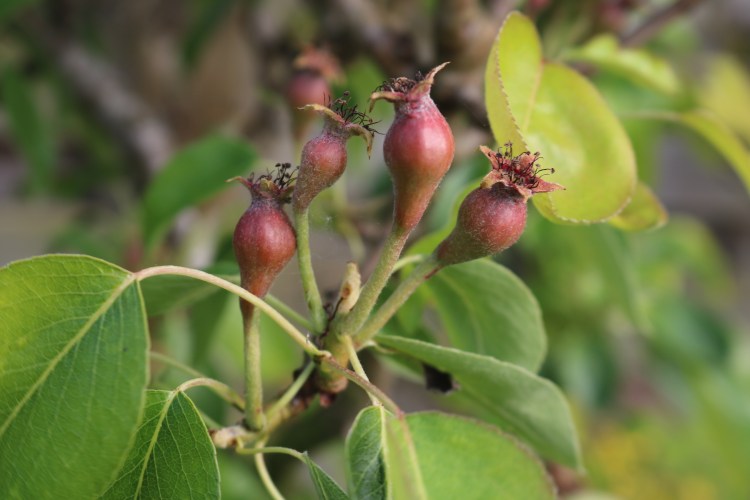
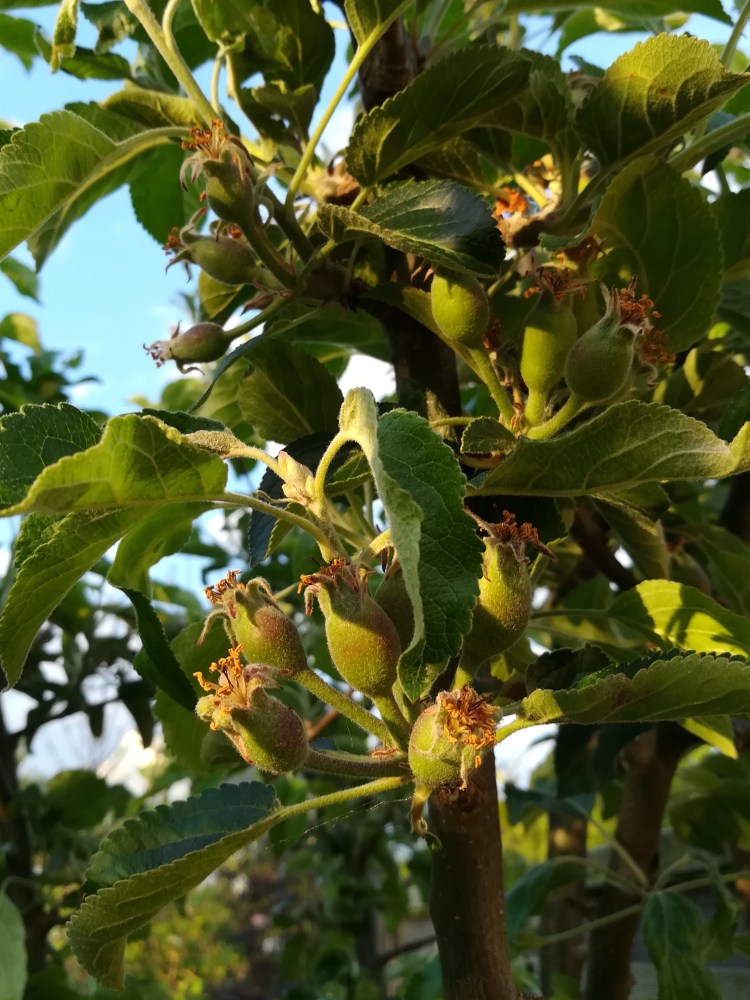
My “active choice” eating plan, Michael Pollan’s 7 words on eating, Developing fruit in the garden, Mindful eating, Nurturing a sourdough (day 2-4) and recipe for Spiced rosemary roasted nuts.
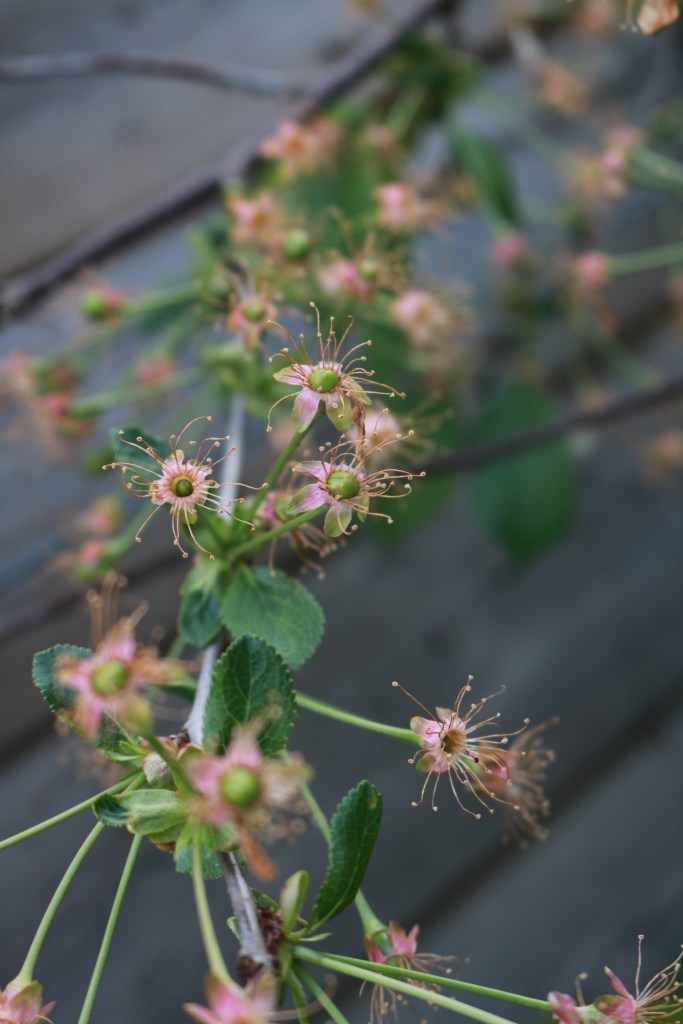
An ‘ACTIVE CHOICE’ eating plan
Having explored lots of ideas regarding eating plans, searching for an effective framework for myself, the ideas listed below are a summary of what have been the most helpful. They are ideas that have worked for me, but I am not bound by them, and as life evolves so does the framework.
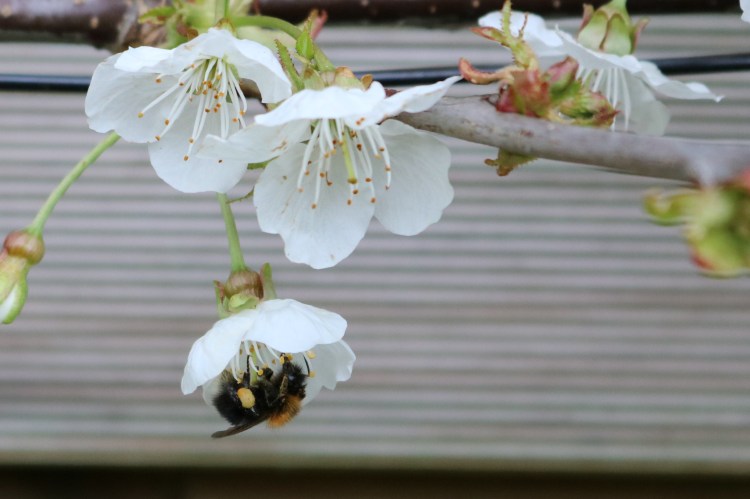
My conclusion, from all my reading and experience in practicing, is what matters most when aspiring to change your eating habits, is that what you choose to eat (or not) be a considered ‘active choice’ – a decison made and not as a consequence of an inner-critic shaming the non-compliance of any plan, obligation or guilt. The most effective change is made by learning how to make an ACTIVE DECISON about food choices. But that is a skill that takes time to aquire and a skill that is constantly challenged by one’s changing cirmcumstances. For me, permission to be flexible is key for me to be able to follow a plan long-term; for others rigid rules help them to stick within a framework, to deviate from a plan would mean that they would be more likely to quit trying altogether. Whichever route works for any given individual, deliberately choosing to take time to reflect about how and why you eat as you do will bear fruit. That fruit may be in weight loss, in gut and skin health, in less frquent coughs and colds, in clarity of thought and in mental wellbeing, to name a few. But fruit takes time to develop. Observe it whilst it does and then in the end, when the fruit ripens, you’ll all the more relish and enjoy the positive achievement.

I started out on my ‘journey’ using a very rigid framework, the Bright Line Eating plan (BLE – information on the resources page), which worked extremely well for me for a few weeks and allowed me to begin to break emotional eating habits. There are four Bright Lines to aspire not to cross: No flour, no sugar, weighing and measuring what you consumed and pre-planning what you are to eat (and only eat) at three regular meal times. As a consequence of following the plan fairly rigidly, I was able to form a new relationship with food. As a consequence I now have less addictive behaviour towards what I eat and I then slowly developed more “active choice” in what I eat or don’t eat. My personal guidelines are a development from the basic BLE framework, but significantly influenced by other reading – especially Tim Spector, Michael Pollan and Michael Mosely (all listed in the resource section). My framework works well for me, especially within a family setting, and also because there were too many foods that bring me moments of joy that a stricter more formal plan tends to exclude.
“The most dangerous of these (diet) myths is the notion that we all respond to food the same way, that when we eat food or follow certatin diets our bodies behave like the bodies of identical lab rats. They don’t. … The truth is that each of us responds to food differently even if the food and the environment are identical … Our bodies vary entirely in how they respond to everything, from food to exercise to environment, and this variation affects how much fat we deposit and how much weight we gain as well as our food preferences … the variation is due in part to our genes, but also to the different microbes that populate our guts … it is clear that the more diverse your diet, the more diverse your microbes and the better your health at any age.” Tim Spector in The Diet Myth
Every individual’s needs, preferences, addictive behaviours and emotional influences will be different. I am solely describing what has worked for me. I believe the biggest influence on my body has been the huge increase in vegetable, fruit and plant based foods consumed, alongside significantly reducing the amount of processed foods (for me: shop bought biscuits, cakes and bread) and drinking less alcohol. I am convinced that if I desired to lose weight more quickly, I could do so easily by also reducing my calorie intake. Michael Mosley with his 800 calorie and time restrictive eating plan achieves amazing results, with many examples of significant changes for those with Metabolic Syndrome, Pre-diabetes and many diagnosed Type 2 Diabetes. However, I know that if I were always hungry then I might well struggle with an overwelming compulsion to eat. For me I fare better on a plan that I enjoy, even if it effects a slower transition. When eating in the way that I am suggesting, I am rarely hungry and neither over-full and I thoroughly enjoy my food. I can more often than not make an active choice about whether I will choose to eat something or not. So if and when I actively choose to eat a piece of cake, I choose a really worthwhile piece of cake and then actively take a moment to really savour that cake. That is freedom.
What to EAT – my daily eating plan:
This is what I generally aim to eat on a daily basis. It takes into consideration my body type, metabolic needs and desire to reduce weight; it ignores calorie counting. It is significantly weighted to vegetables and fruit. I aim to be mindful of the eating experience and to be comfortably satisfied at the end of a meal:
“Eat food, not too much, mostly plants.” Michael Pollan in In Defence of Food: The Myth of Nutrition and the Pleasures of Eating: An Eater’s Manifesto
- 500-650g of vegetables per day (5-10+ vegetables and salad)
- 280-350g of fruit per day (2-3+ fruits)
- 200-250g protein-rich food per day (some protein with every meal)
- 100-200g wholegrains per day (cooked/ hydrated weight and not always every meal)
- At least 25g fat* at my lunchtime and evening meals
HOWEVER sometimes there may be a desire for social connection or special celebration, both of which are expressed in our culture with the sharing of food or FEASTING. Also on occasions I may choose not to eat, INTERMITTENT FASTING.
*Fat. Ideally I like to use at least 1 tbsp cold pressed extra virgin olive oil daily and I often eat walnuts, as well as some other high quality uncooked or barely cooked oils – as oil or in their whole form (eg. avocados, butter or quality grass-fed animal fat, nuts, seeds, oily fish like anchovy, coconut). This influence is from Tim Spector and Assem Malhotra (see resource section).
Michael Pollan’s 7 words on eating
Michael Pollan (see resources) who is one of my heroes, says everything he’s learned about food and health can be summed up in seven words: “Eat food, not too much, mostly plants.”
Probably the first two words are most important. “Eat food” means to eat real food – vegetables, fruits, whole grains, fish and meat – and to avoid what Pollan calls “edible food-like substances.”
Here are a few of his suggestions:
- Don’t eat anything your great grandmother wouldn’t recognize as food.
- Don’t eat anything with more than five ingredients, or ingredients you can’t pronounce.
- Don’t eat anything that won’t eventually rot. “There are exceptions … but as a rule, things that never go bad aren’t food”
- It is not just what you eat but how you eat. “Always leave the table a little hungry”. Pollan says. “Many cultures have rules that you stop eating before you are full. In Japan, they say eat until you are four-fifths full. Islamic culture has a similar rule, and in German culture they say, ‘Tie off the sack before it’s full.'”
- Families traditionally ate together, around a table and not a TV, at regular meal times. It’s a good tradition. Enjoy meals with the people you love.
- Pay more, eat less.
- Eat less
There is a PDF list of his food rules in the Downloads section, but I recommend reading the whole book “Food Rules – An Eater’s Manual” – it’s a fun read, as are all of his books.
My active intentions:
- Aim to prepare when I can with a specific meal plan for the day, including the amounts of a food stuff that I intend to eat, and aspire to write it down, preferably the night before when I am not hungry. I bought a beautiful Moleskine book to use for my plans, so it’s a pleasure to write them when I can. I finds that it holds me accountable to myself, but also I acknowledge that sometimes I will not manage to follow the plan exactly. It’s necessary to accept that fact but then for me to take a moment to reflect on why that might have happened; because of a pragmatic decision or because of an emotional based response.
- Aim for three meals a day, reasonably spaced and fairly balanced in the amount of food consumed at meals.
- Aim to try and have a full 10-12 hours without eating or drinking anything (except water) as it is thought highly beneficial for your gut health (eg. 8pm-7am) and your blood sugar metabolim. Entirely skipping a meal occasionally is also thought a good idea. (‘Time Restricted Eating’ and ‘Intermittent Fasting’, see Michael Mosley in resources, and I will write a whole blog post on this at some point soon).
- Aim NOT to snack (if as many fruit and vegetables as suggested are eaten, you don’t feel hungry.) BUT if I do snack – try modify amount of food eaten at the next meal. If I feel peckish before a meal, have a drink of water.
- Aim to be aware of what I am drinking and set sensible limits for caffeine and alcohol consumption.
- Aim to drink water
- Aim to record (simply, with a tick) at the end of the day, which fruit, vegetable and planted based foods have been eaten that day. Aiming for 10 different plants based foods a day with a goal of over 30 different plant based foods a week (it might be worth trying to achieve this in a month initially). I have made a chart, which is in the download section, and which could modified to make it more suitable for an individual. As highlighted in the last blog post, we all are host to billions of specific microbes that are useful to us, each community thriving on different nutrients. These nutritions are widely available to the microbes when you eat a broad plant-based eating plan. What you eat – is what your microbes eat. Variety is key. If your microbial population is a healthy one, the likelihood is that you too will be healthy.

Helpful GUIDELINES (multiple sources):
- Try not to deviate from your plan, BUT if you have, consider why you have done.
- Don’t write a food plan when you’re hungry.
- Don’t keep sampling your food all the time whilst you’re cooking, you’ll eat much more than you think you have done.
- As a rule, don’t have second helpings.
- Don’t eat up other people’s leftovers!
- Know your limits for caffeine (perhaps try reducing them).
- Define your limits for sensible alcohol consumption; be determined not to compromise.
- Avoid highly processed foods (especially: sugar, wheat, soya, rice).
- Limit how much sugar you consume, and where you do, be thoughtful about where on the list of ingredients sugar is ranked (indication of amount) or when adding yourself, consider how much and how refined the sugar is (some alternatives to refined sugar – maple, coconut blossom, honey, molasses, unrefined cane sugar).
- Aim to cooked from scratch (or part-scratch) when it is feasible, as then you are fully aware of the quality of ingredients that have been used to create a meal.
- Use recipe books for inspiration but don’t be bound by them. There is very often room for flexibility with ingredients.
- Keep a range of basic ingredients (with flavour) in your kitchen that will inspire you. They will be different for everybody – for me it’s a ‘crisis’ if I don’t have a range of spices (must for black pepper, cinnamon, ginger and chilli), olive oil, balsamic vinegar, tomato paste, mustard, horseradish, capers, olives, garlic, red onion, almonds, walnuts, lemons and parmesan cheese). Often even when camping …
- Aim to buy produce fresh, and where possible reasonably locally grown, or high quality frozen produce.
- Aim to buy meat and fish of high provenance, being aware of what they themselves have consumed in their lifetime (which may include: genetically modified food, antibiotics, pesticides, cheap bulking foods such a soya etc) – Micheal Pollan.
- Aim to ensure a regular intake of foods containing all 3 essential omega 3 oils – ALA, EPA, DHA (these are essential for cellular function and all 3 are not widely available in our western diet, especially with a dietary choice that excludes oily fish).
- Aim to consume virgin olive oil regularly – Tim Spector.
- Be aware of the effects of intensive farming or processing at high temperatures on potential nutritional status of foodstuff.**
- Be aware of the environmental and ethical impact of your food choices.
- Consider missing meals occasionally to allow your digestive system some time to fully process what you have consumed – Michael Mosley.
- Weigh yourself at whatever interval suits you, but aim to standardise your measurement. For example, weighing yourself naked on the same scales, first thing in the morning. Record it in a book.
- Measure your height and “girth” at regular intervals, maybe a few times a year. Hips, Waist, Chest, Neck. Record it in a book. Objective knowledge can be very useful in understanding what is going on in your body.
Active ‘mindful’ awareness:
Aim to be actively aware of (thinking about, mindful of, in the moment):
- Thoughts about food or compulsions to eat, but without passing judgement
- Hunger patterns
- Feelings of being over-full or bloated
- Feeling of being comfortably satisfied
- Feeling or sensations of being actually hungry
- Uncomfortable sensations of too much caffeine
- Uncomfortable effects of alcohol
- Note any cravings and time of day, or other external factors; considering any triggers of any “emotional” eating
- Consider why you might be eating beyond being hungry
- Being aware of any social pressures that might influence your eating
- Be mindful of when you truly enjoy the experience of eating, and consider why.

Notes:
**Walnuts are one best plant based sources of omega 3 alpha-linolenic acid (ALA). Best sources of Omega 3 are found in oily fish. But walnuts been found to have significant effect on improved health outcomes in many studies, including:
https://www.sciencedaily.com/releases/2015/05/150511124849.htm
*** An example of the effect of processing food is wheat flour, which can be standard milled at high speeds with metal discs (the flour reaches a high temperature which will have denatured some of the bioactive compounds found within the flour, often then vitamins are then replaced in the flour as an “additive”) or it can stoneground (where there is a small temperature increase in process and little is denatured in the process). It is interesting to note that it is more difficult to create a sourdough starter from an intensively grown standard milled wheat than it is from an organic stoneground wheat, which it is relatively easy to create an active sourdough starter.
Emma Mills – mindful meditation and food
I have just stumbled across online: “RELISH – The Complete Guide To Mindful Eating From Emma Mills”, which is an online programme. Emma Mills is a meditation, mindfulness and wellbeing author. Her website looks very interesting, and she has many blog entries on mindful eating. I will update this section when I have had time to explore some of her writing. https://www.emmamillslondon.com/category/food-cooking/
Fermenting foods
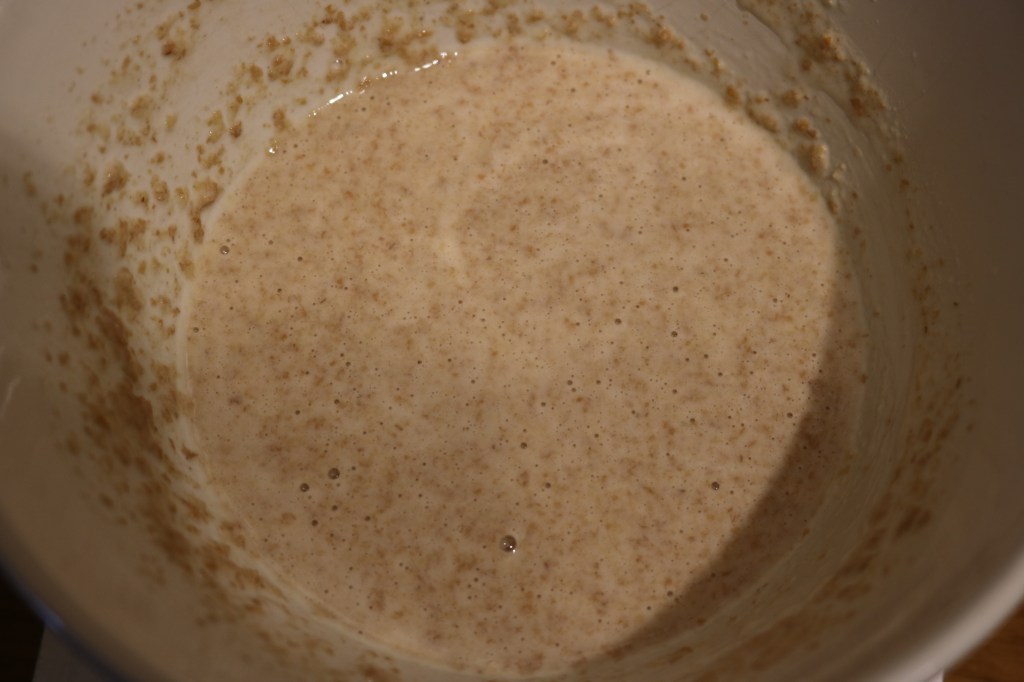
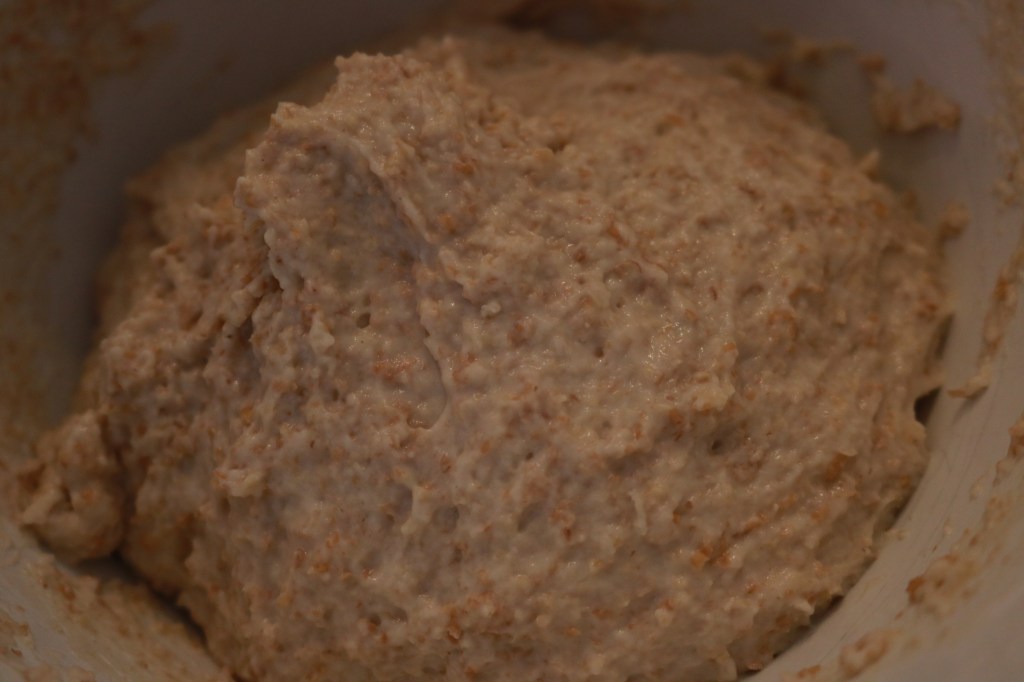
Update on the wholewheat sourdough starter from the last blog entry (Days 2-4):

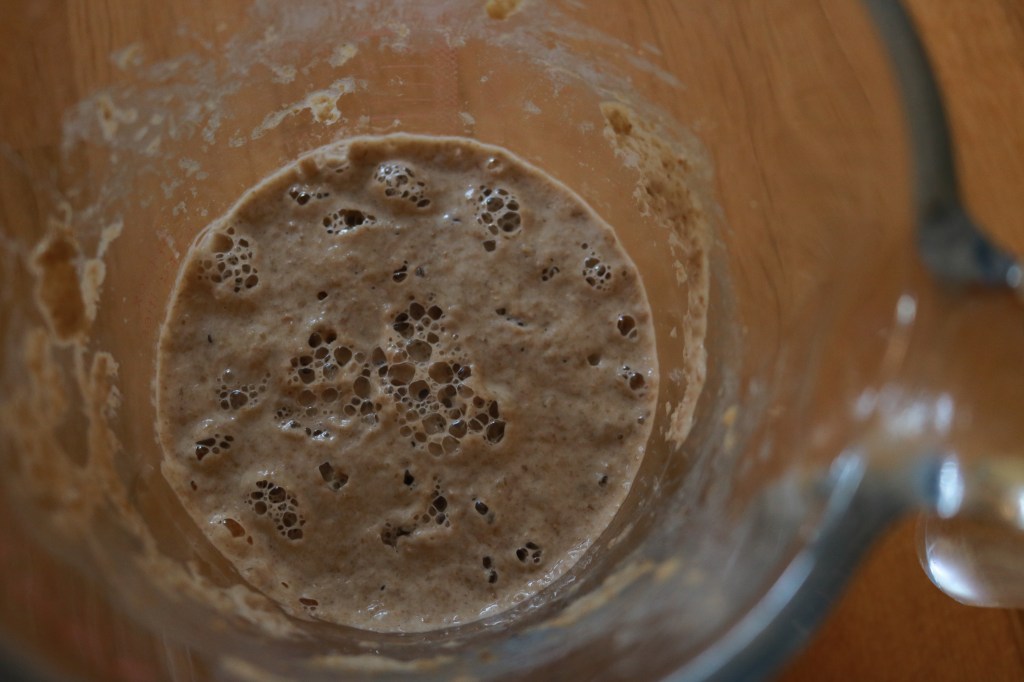
Likely to be too much lactic acid from the bacteria, inhibiting the yeast growth. Added 45g flour and 45g water
Spiced rosemary roasted nuts
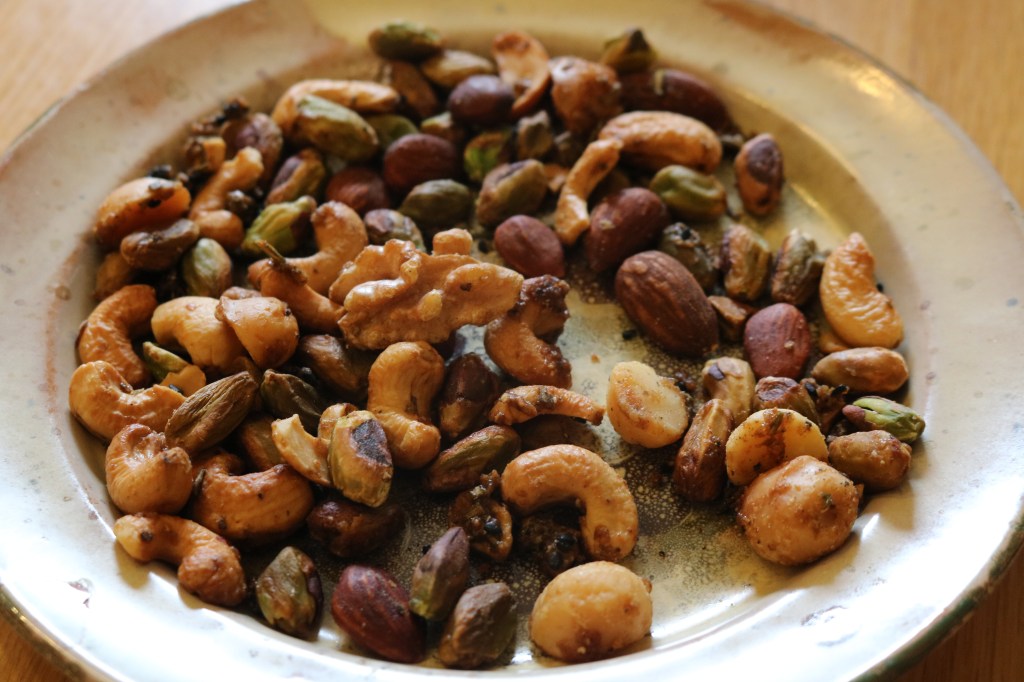
Add a few to a salad for flavour (protein or fat), or eat with an omelette.
- 1 heaped cup (approx 150g) of unsalted raw nuts – whatever mix you like. (I used my own mix of almond, pistachio, macadamia, walnut and cashew)
- 1 Tbsp unsalted butter
- 1 Tbsp (heaped) fresh chopped rosemary (plus few sprigs for the tray)
- 1-2 tsp soft brown sugar or maple syrup
- 1 tsp ground cumin
- 1/2 tsp nigella seeds (optional)
- 1/2 tsp garlic granules
- 1/2 tsp sea salt
- 1/4 tsp cayenne pepper
- 1/4 tsp freshly ground black pepper
Variations: you could use whatever spices you like, more or less of them (to personal taste) or add seeds to the mix
Preheat oven to 180oC
- Mix together nuts, spices and sugar (if using).
- Heat butter until melted in microwave (or pan), add chopped rosemary to infuse for a minute. Then add maple syrup of using.
- Mix butter mixture into nuts, coating everything well.
- Place flat on baking tray with rosemary sprigs and cook for 10-15 minutes until toasted and lightly browned, turning once or twice during the time.
- Cool on tray for 15 mins, turning occasionally.
Keeps well in an airtight tin.
And finally… our beautiful friend can happily have their cake and eat it now.

 Relishing Life - Eating Well